Research Areas
Explore the key regions of our project. Each area has been selected for its unique local context and the specific themes we are exploring there, offering a snapshot of where and how our work unfolds.
Click each place to read more
Áltá / Alta is a key Birgejupmi site, hosting workshops and working with Alta Museum. The museum’s Sámi heritage work helps counter colonial silencing and supports Indigenous empowerment and sustainable, knowledge-based development.
Áltá / Alta is a key Birgejupmi site, hosting workshops and working with Alta Museum. The museum’s Sámi heritage work helps counter colonial silencing and supports Indigenous empowerment and sustainable, knowledge-based development.
Divrráid suohkan / Dyrøy is a key Birgejupmi site, selected for its Sámi heritage and strong local knowledge. Working with Gamtofta siida and healer Knut Lunde’s archive fosters dialogue, research, and Indigenous knowledge revitalization in this diverse coastal area.
Igaliku is a small southern village of around 30 people, located within the UNESCO World Heritage site “Kujataa Greenland.” Birgejupmi researchers engaged with local herders and farmers to explore observed changes, current challenges, and future visions.
Ilulissat is the third-largest city of Kalaallit Nunaat and is located in the Avannaata municipality. It is a place where Inuit-led local operators are actively adapting to climate changes. Birgejupmi researchers, Vivi Vold, Paarnaq Rosing Jakobsen, and Naja Dyrendom Graugaard hosted a workshop and a community peer review of our work with Indigenous knowledge holders, focusing on the connections between land relations, healing, and health. Together with insights from visits to other towns and communities, this contributes to a broader understanding of a One Health approach in the coastscapes of Kalaallit Nunaat.
Nanortalik, the southernmost town in Kalaallit Nunaat, is a key site for Birgejupmi researchers’ engagement with local residents, including hunters and the local meat market. Through conversations about traditional, land-based knowledge and its links to healing, the team explores current challenges and the connections between health and cultural practices, particularly within the hunting profession.
Qaqortoq is the biggest town in the municipality of Kujalleq, in Southern Kalaallit Nunaat, with a population of app. 3000 inhabitants. Birgejupmi researchers, Vivi Vold and Naja D. Graugaard have visited local organizations and institutions to gain a deeper understanding of the relations between health and local cultural practices, such as how it is represented in the hunting profession, education and tourism.
Guovdageaidnu / Kautokeino is home to a strong traditional Sámi culture, closely connected to research and higher education rooted in the Sámi language. Here, knowledge is mobilized to shape the future of Sápmi.
Loabák/Lavangen is a key Birgejupmi site, selected for its Sámi heritage and strong local knowledge. Working with Gamtofta siida and healer Knut Lunde’s archive fosters dialogue, research, and Indigenous knowledge revitalization in this diverse coastal area.
Orjješ-Ráisa/Sørreisa is a key Birgejupmi site, valued for local Sámi knowledge and community strength. In partnership with Gamtofta siida and healer Knut Lunde’s archive, it fosters research, dialogue, and Sámi heritage revitalization.
Várjjat / Varanger is a vital Birgejupmi site facing climate, ecological, and green transition challenges. It supports Sámi marine knowledge, inclusive governance, and local empowerment through Indigenous-led resilience efforts.
Unjárga / Nesseby is a key Birgejupmi site where Sámi knowledge and youth co-design shape climate, marine, and invasive species research. Workshops and exhibitions explore future visions and assess wind energy’s cultural impacts, supporting Indigenous resilience and adaptation.
Bearalváhkki / Berlevåg is a key Birgejupmi site where youth shape visions for sustainable futures. Through workshops and exhibitions, they explore wind energy and socio-environmental change, fostering inclusive climate decisions and Indigenous resilience in East-Finnmark.
Porsáŋgu / Porsanger is a key Birgejupmi site facing climate-driven ecological shifts. With Mearrasiida as a knowledge hub, the community revitalizes seal practices through workshops, supporting Sámi traditions, resilience, and sustainable coastal stewardship.
Narsaq in Kalaallit Nunaat is key to Birgejupmi’s One Health focus. Despite limited health services, it offers vital Indigenous knowledge, supporting seal hunting, cultural resilience, and youth-led exchange between Kalaallit Nunaat and Sápmi.
Nuuk, the capital of Kalaallit Nunaat, is a vibrant hub where Birgejupmi researchers hosted a workshop with Indigenous knowledge holders on relationships to sea, land, healing, and health.
Uummannaq in northern Kalaallit Nunaat is a Birgejupmi site highlighting Indigenous health and knowledge in remote areas. Rooted in hunting traditions, it supports the One Health approach and fosters resilience, sustainability, and knowledge exchange with Sápmi.
Áltá / Alta
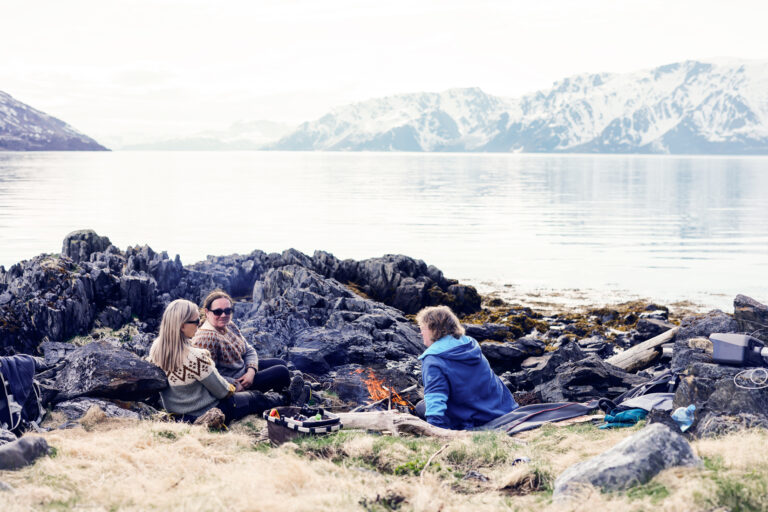
Áltá / Alta plays a key role in Birgejupmi as a selected field site, hosting workshops and fostering collaboration with UiT. Alta Museum contributes vital knowledge through its long-standing work on local and repatriated Sámi heritage, helping counter colonial silencing and supporting the project’s broader aim of empowering Indigenous voices and sustainable, knowledge-based development.
Áltá/Alta
Áltá / Alta plays a key role in Birgejupmi as a selected field site, hosting workshops and fostering collaboration with UiT. Alta Museum contributes vital knowledge through its long-standing work on local and repatriated Sámi heritage, helping counter colonial silencing and supporting the project’s broader aim of empowering Indigenous voices and sustainable, knowledge-based development.
Dyrøy/Divrrát/Tyras
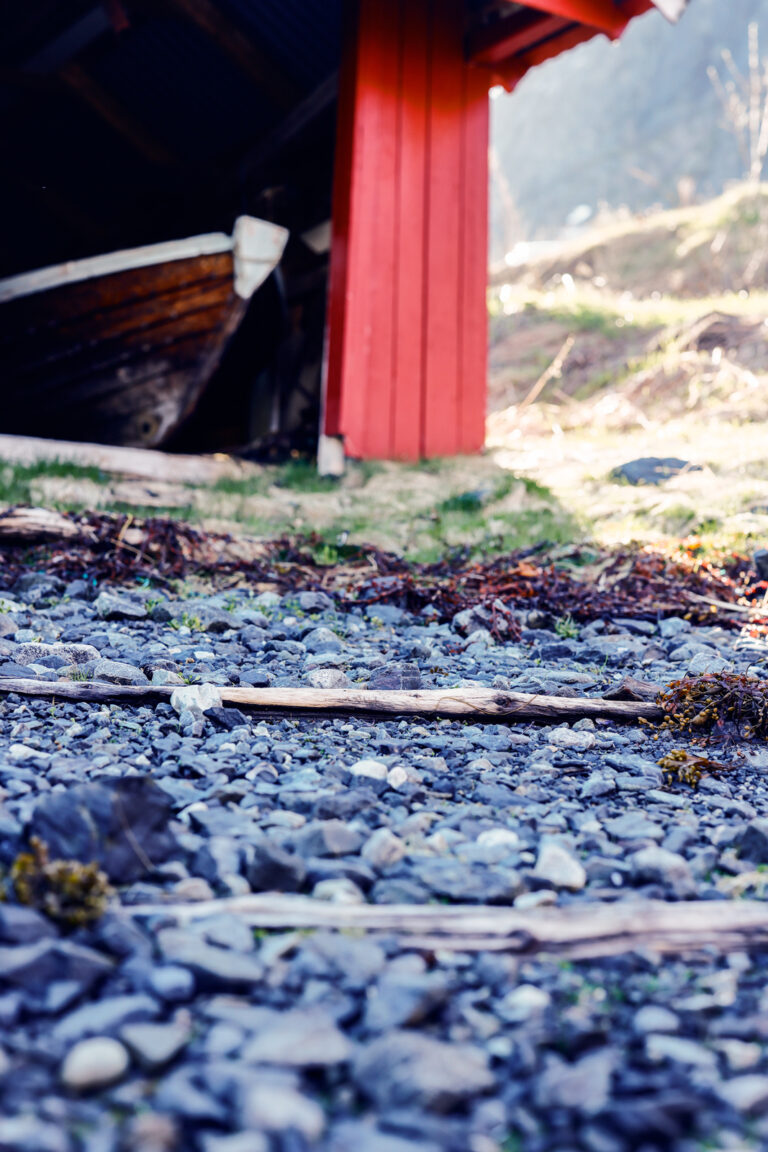
Dyrøy/Divrrát/Tyras is not an arbitrary meeting place. Situated in the heart of Mid-Troms, the municipality together with the neighbour municipality Lavangen/Loabák, Salangen /Siellák and Gratangen/Rivttát carries within its landscape, place names, and collective community memory the long history of Norwegian, Sámi, and Kven coexistence — a history of neighbourliness and exchange, but also of displacement, assimilation, and silencing.
Igaliku
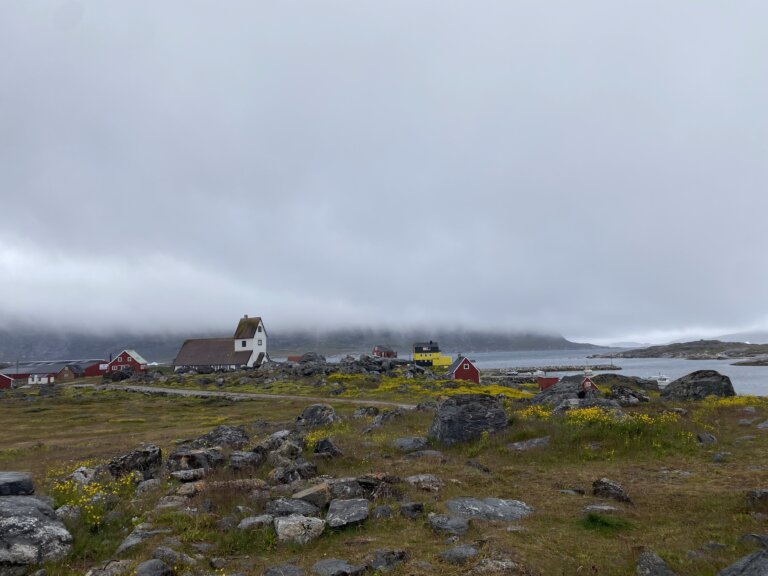
Igaliku is a small southern village with a population of around 30 people. The village and its surrounding area are home to sheep farmers and hunters. The area was inscribed on the UNESCO World Heritage List in 2017 as part of “Kujataa Greenland: Norse and Inuit Farming at the Edge of the Ice Cap”. Birgejupmi researchers engaged with herders and farmers to learn about the changes they are observing, the challenges they face, and their visions for the future.
Ilulissat
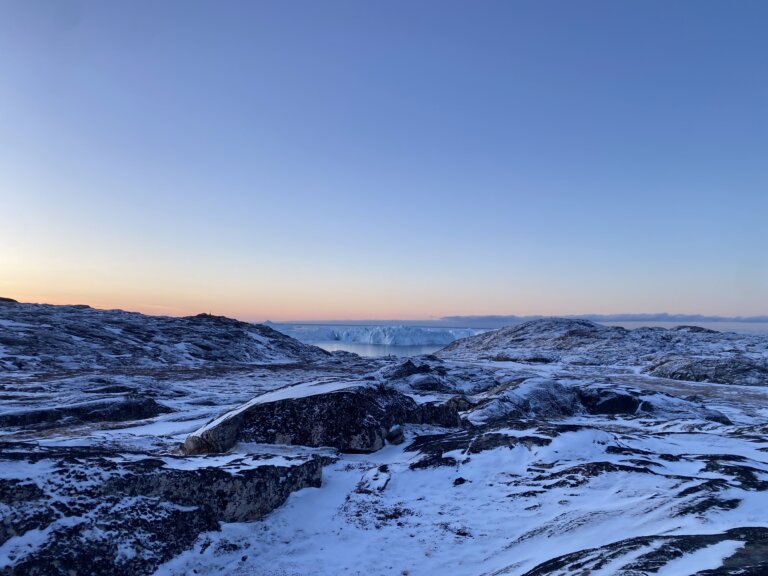
Ilulissat is the third-largest city of Kalaallit Nunaat and is located in the Avannaata municipality. It is a place where Inuit-led local operators are actively adapting to climate changes. Birgejupmi researchers, Vivi Vold, Paarnaq Rosing Jakobsen, and Naja Dyrendom Graugaard hosted a workshop and a community peer review of our work with Indigenous knowledge holders, focusing on the connections between land relations, healing, and health. Together with insights from visits to other towns and communities, this contributes to a broader understanding of a One Health approach in the coastscapes of Kalaallit Nunaat.
Nanortalik
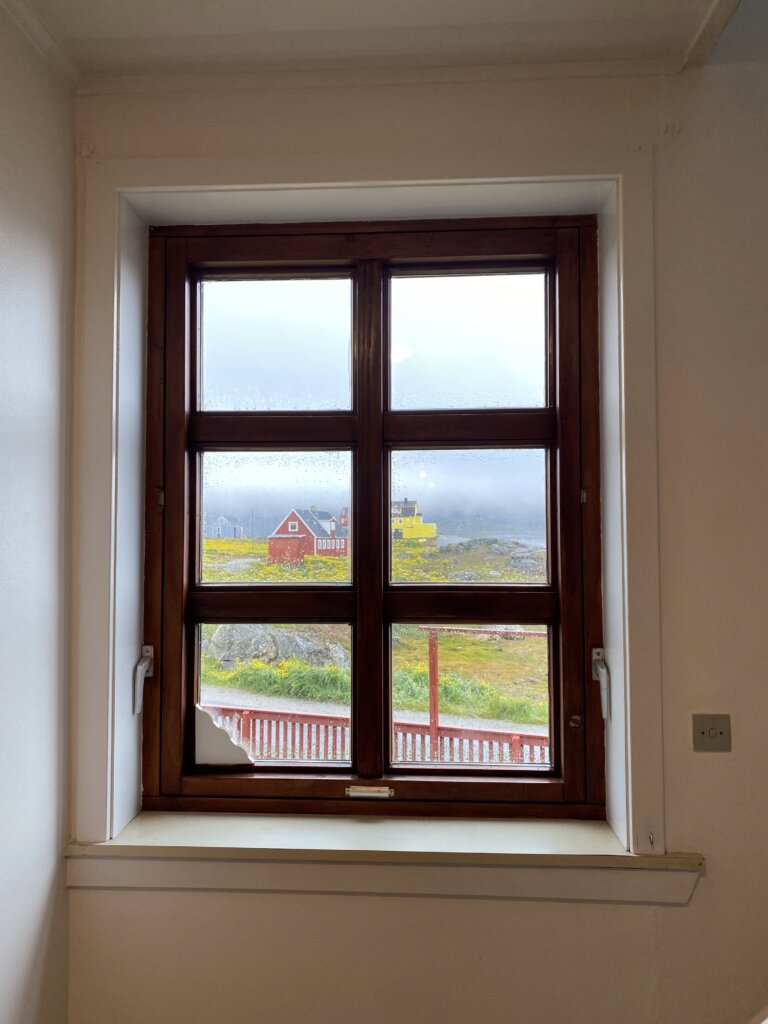
Nanortalik is the southernmost town in Kalaallit Nunaat, where Birgejupmi researchers engage with local residents, including hunters, and visit the local hunters’ meat market. To better understand current challenges, we have conversations with locals about people's relations to traditional and land-based teachings, that is linked to healing. These insights contribute to a deeper understanding of the links between health and local cultural practices, including how they are expressed within the hunting profession.
Qaqortoq
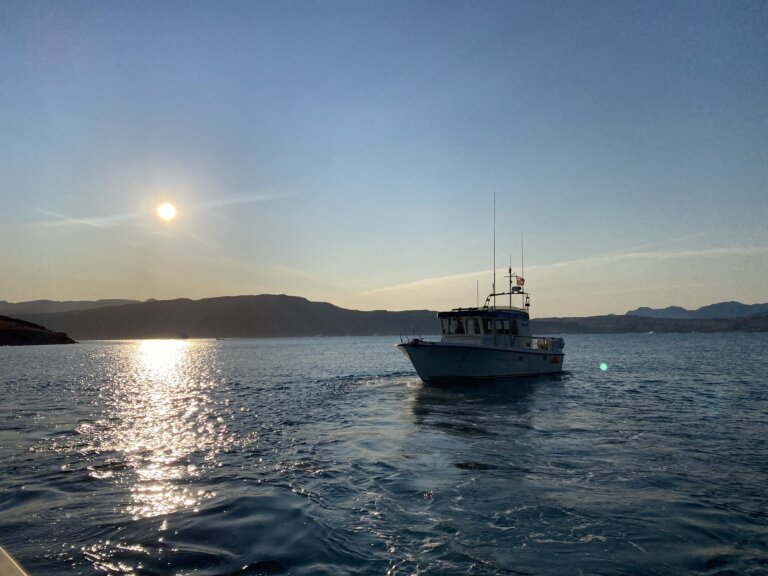
Qaqortoq is the biggest town in the municipality of Kujalleq, in Southern Kalaallit Nunaat, with a population of app. 3000 inhabitants. Birgejupmi researchers, Vivi Vold and Naja D. Graugaard have visited local organizations and institutions to gain a deeper understanding of the relations between health and local cultural practices, such as how it is represented in the hunting profession, education and tourism.
Guovdageaidnu/Kautokeino
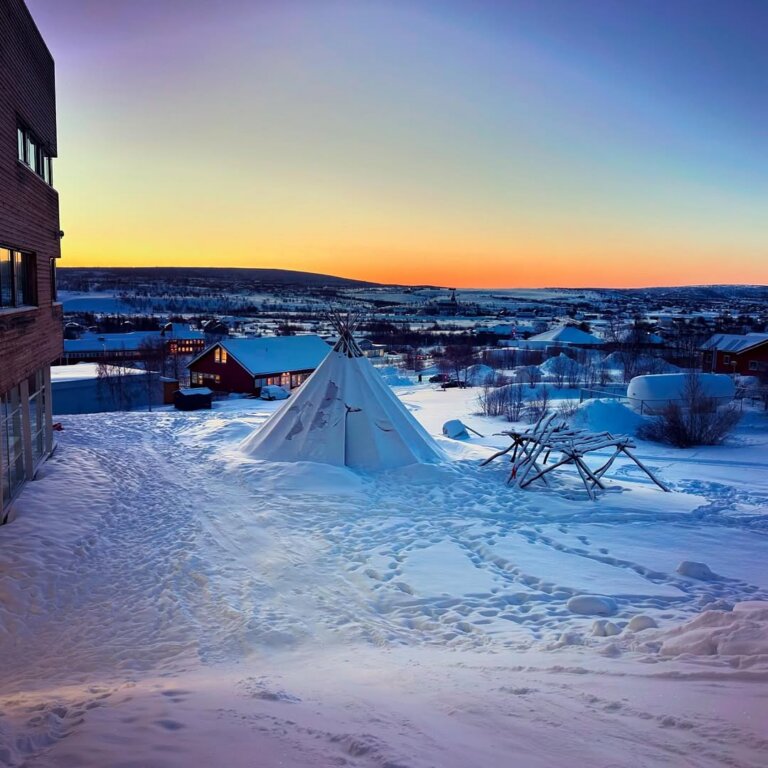
Guovdageaidnu / Kautokeino offers a globally unique Indigenous environment and serves as an excellent platform for collaboration through the concept of 'two-eyed seeing. This village is home to a strong traditional Sámi culture, closely connected to research and higher education rooted in the Sámi language. Here, knowledge is mobilized to shape the future of Sápmi.
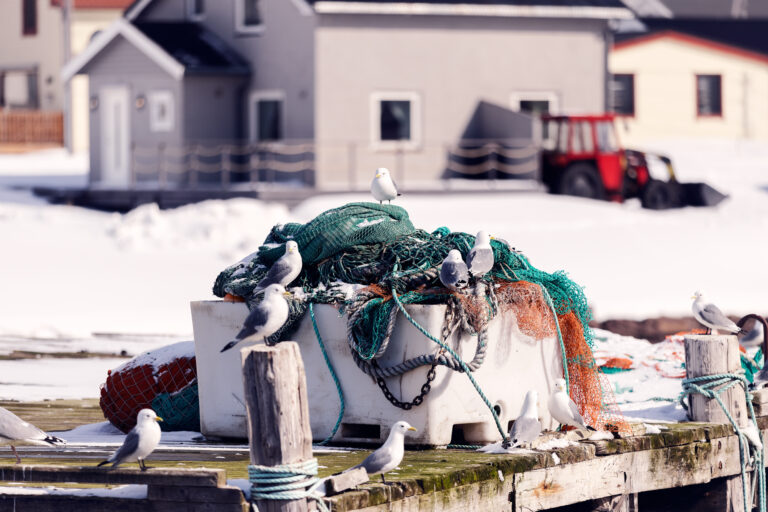
Lavangen
Loabák/Lavangen is a key Birgejupmi field site, chosen for its strong local knowledge and Sámi heritage. Collaboration with Gamtofta siida and the archive of healer Knut Lunde provides a foundation for community-based research and dialogue in this diverse coastal area, supporting the project's broader goals of Indigenous empowerment and knowledge revitalization.
Sørreisa
Orjješ-Ráisa/Sørreisa is a central Birgejupmi field site, because of its Sámi knowledge and strong community presence. In collaboration with Gamtofta siida and the archive of healer Knut Lunde, Sørreisa supports inclusive research, dialogue, and heritage work, contributing to Indigenous empowerment and the revitalization of coastal Sámi identity and traditions.
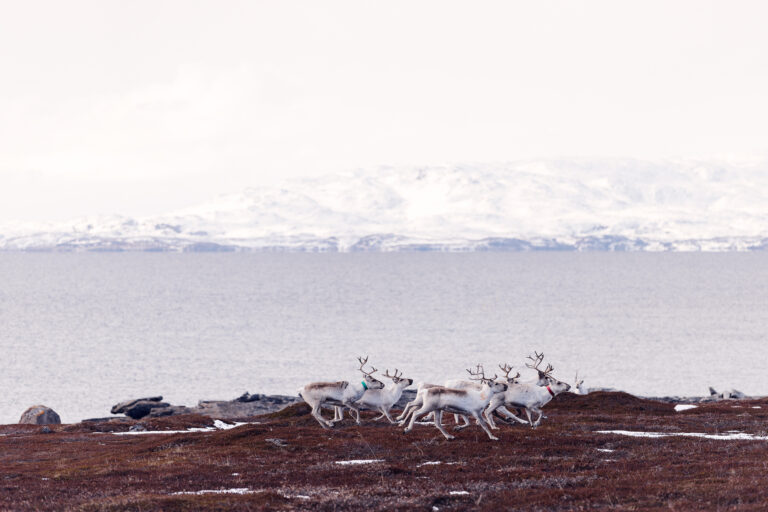
Várjjat/Varanger
Várjjat / Varanger is a key Birgejupmi site due to its complex ecological shifts and socio-economic challenges tied to climate change, invasive species, and green energy transitions. It offers unique opportunities to revitalize Sámi knowledge on marine species, foster inclusive decision-making, and empower local communities through Indigenous-led governance and resilience-building.
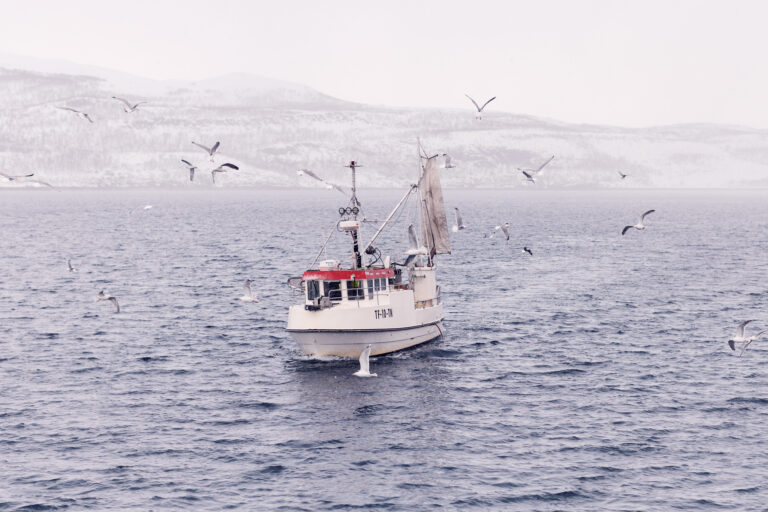
Unjárga/Nesseby
In Unjárga / Nesseby local knowledge and youth engagement shape research on climate change, invasive species, and marine governance. Community workshops and exhibitions co-designed with young people explore future visions for East-Finnmark, while assessing socio-cultural impacts of wind energy development and supporting Indigenous-led adaptation and resilience.

Bearalváhkki/Berlevåg
Bearalváhkki / Berlevåg is a Birgejupmi site where youth play a central role in shaping visions for sustainable futures. Through workshops and co-created exhibitions, young people explore the impact of wind energy projects and socio-environmental change, contributing to inclusive climate decision-making and strengthening local and Indigenous resilience in East-Finnmark.

Porsáŋgu/Porsanger
Porsáŋgu / Porsanger is selected for its exposure to climate-driven ecological shifts and strong Sámi traditions. With Mearrasiida as a local knowledge hub, the community engages in revitalizing seal practices through workshops, addressing environmental changes while fostering Indigenous-led resilience and sustainable coastal stewardship.
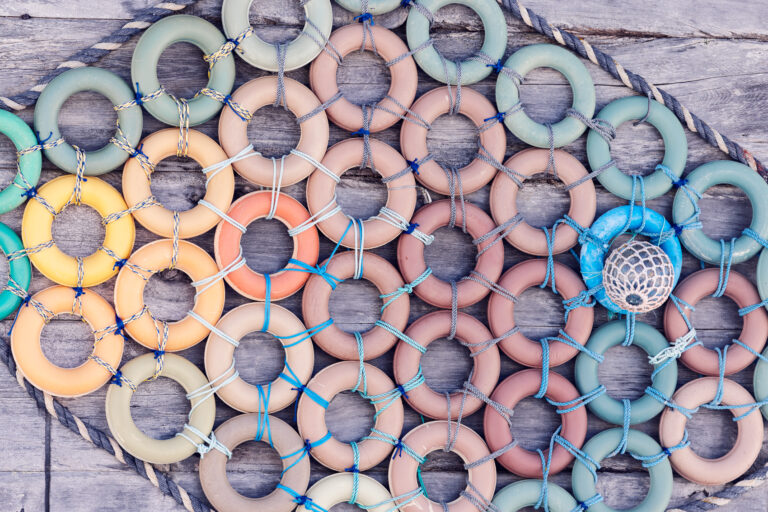
Narsaq
Narsaq, a southern site in Kalaallit Nunaat, is central in Birgejupmi`s One Health approach. With limited access to health services, it offers vital insight into Indigenous knowledge systems and land-based practices. Here, local experts contribute to cross-regional collaboration focused on sustainable seal hunting, cultural resilience, and youth-led knowledge exchange between Kalaallit Nunaat and Sápmi.
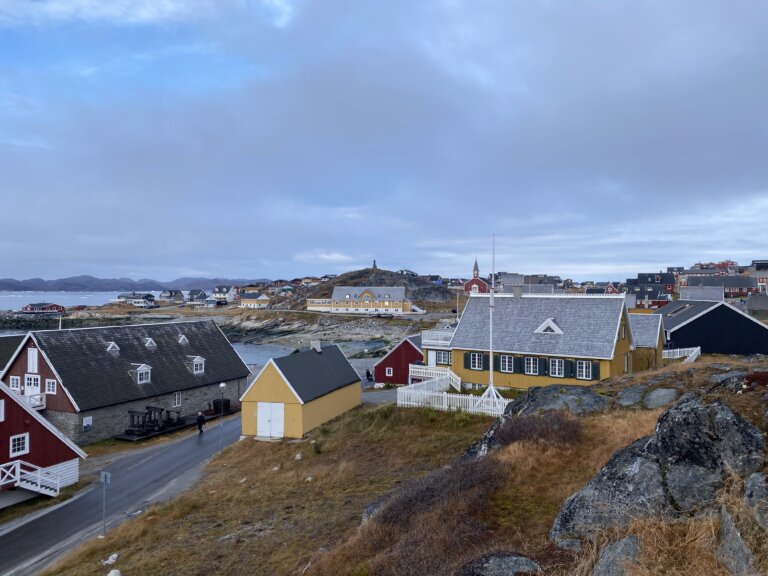
Nuuk
Nuuk, the capital of Kalaallit Nunaat, has a population of approximately 20,000 people. As a vibrant central hub, it faces political and systemic challenges alongside strong Inuit-led efforts for change. Birgejupmi researchers Vivi Vold, Paarnaq Rosing Jakobsen, and Naja Dyrendom Graugaard hosted a workshop with Indigenous knowledge holders, focusing on the connections between relationships to sea, land, healing, and health.
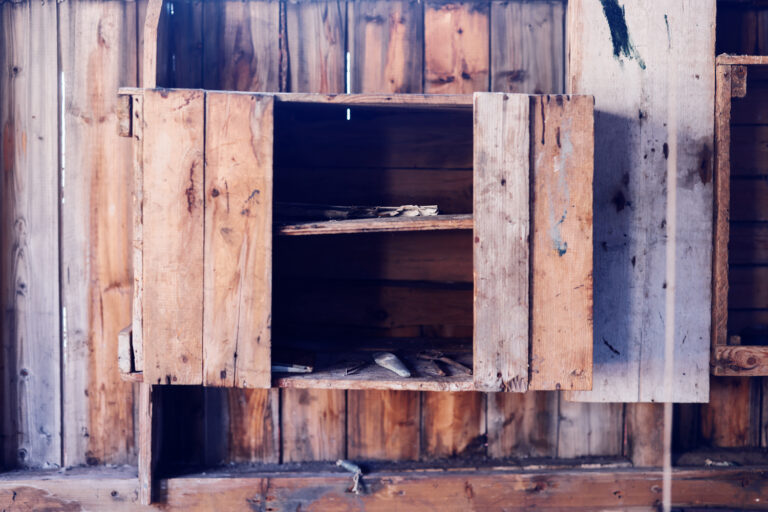
Uummannaq
Uummannaq, located in northern Kalaallit Nunaat, is a Birgejupmi field site offering insight into Indigenous health and knowledge in remote areas with limited services. With strong traditions among hunters and herders, Uummannaq supports the One Health approach and fosters collaboration between Kalaallit Nunaat and Sápmi through knowledge exchange, resilience, and sustainable practices.