They want to move away from the previous experiences that many Sámi have, of taking part in a research project and then never seeing the researcher or what he or she has come up with. At the same time, it emerged that many Sámi are researched in isolation and that there seems to be an expectation from outsiders, from high school students, students, researchers, trainee programmes etc., that Sámi should take part and answer all sorts of questions that are asked about them.
“I want to give something back” – BIRGEJUPMI at Forskningsetik i Saepmie
Åsa Nordin Pittja took part in the conference Forskningsetik i Saepmie in February.

Contributors
Researchers: Åsa Nordin Pittja
Published: 09.03.2026
"Toolbox" needed for research on the Sámi and the Sámi community
Åsa Nordin Pittja, new leader of Work Package 1, participated in the conference “Forskningsetik i Saepmie” (Research Ethics in Saepmie) held on 25 February 2026 in Staare/Östersund. The conference brought together around 40 participants, representatives from academia, organisations and others.
In general, there is an awareness among researchers that the local Sámi community must be involved much earlier in the research process. There was a common understanding that research ethics and related issues need to be discussed because researchers and those participating in a research object struggle with these issues.

As researchers today, we want to give back at the same time that the Sámi community asks itself the question “what’s in it for us?” As Sámi, ”we are more aware that we can say no and make demands on the research”.
It’s about developing methods, getting close to those you research with/about/for, that are adapted to the small communities and constantly being aware of ethical issues. Self-criticism was also raised that you often remember at the last second that you should include those affected at an early stage, that you have completed the research and then left, and so on. Many positive things were highlighted, such as who and what you want to include, wanting to give something back, not wanting to be like previous researchers. You want to be a good researcher but sometimes you don’t know how to go about it.
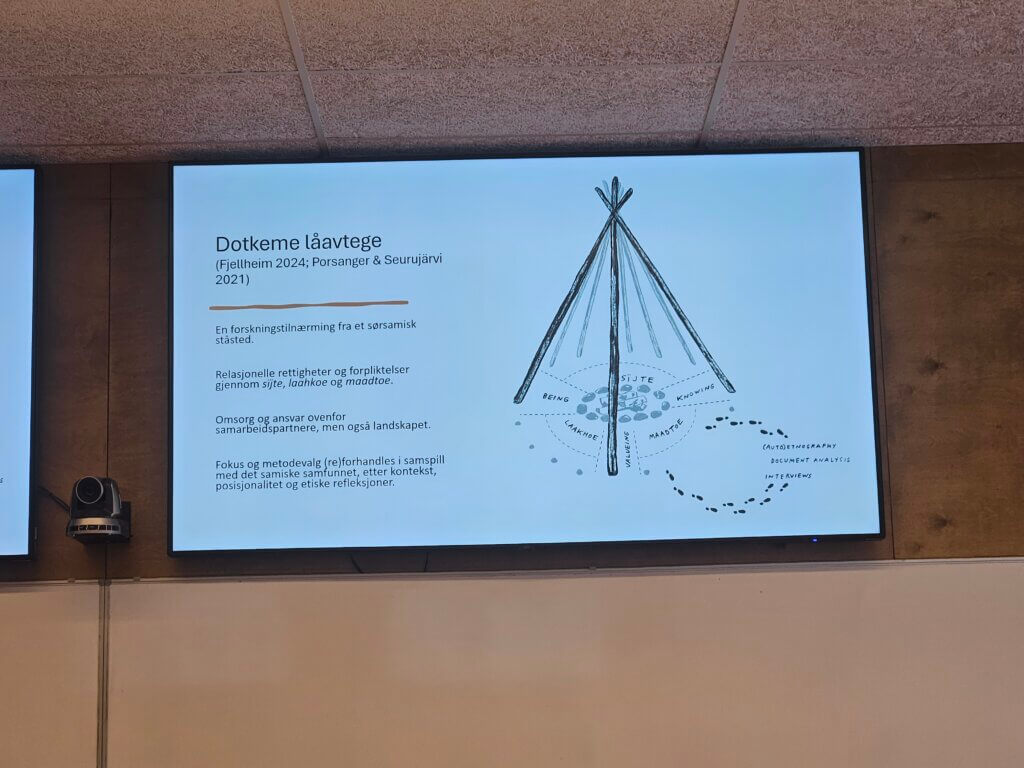
Another issue that was raised is this about open access to sources. It can but doesn’t have to cause problems when conducting research among the Sámi. Not all Sámi want their material to be able to be spread to other researchers. You give the knowledge to someone you have built up a relationship with and trust. The fact that that material can then be used by others can be experienced as problematic. So there is a clash between academia and the ordinary person. And how to handle it, needs further discussion.

It is clear that there is a common understanding that there are research gaps, and that there are many of them, when it comes to the Sámi community. That it is important to be able to identify them and from there develop new research projects.
Some form of “toolbox” is needed when it comes to research on the Sámi and the Sámi community, which contains guidance on how to research the Sámi. However, it is equally important to have guidance for the Sámi community, which strengthens the members in contact with everything from high school children to established researchers, who should be able to meet on equal terms.

Relevant news and publications
-
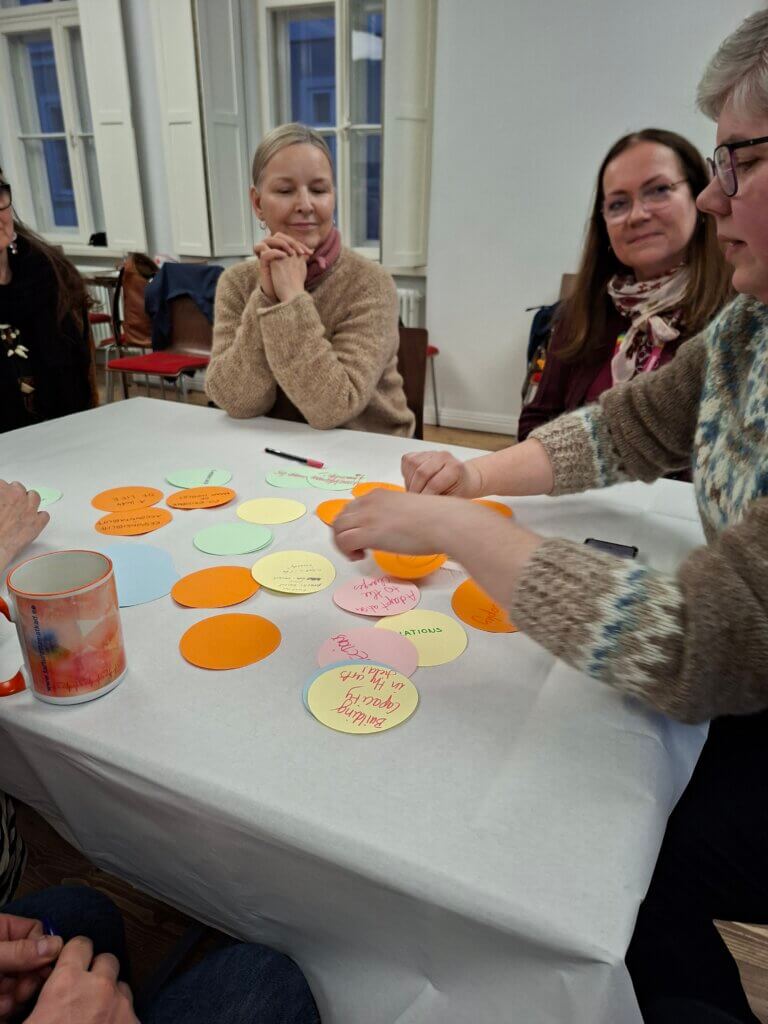
Connections weave us together – BIRGEJUPMI General Assembly in Tartu
Published: 04.03.2026BlogBIRGEJUPMI Consortium gathered for the second time for a consortium wide in-person meeting in 3-5 February 2026 in Tartu.
Read more -
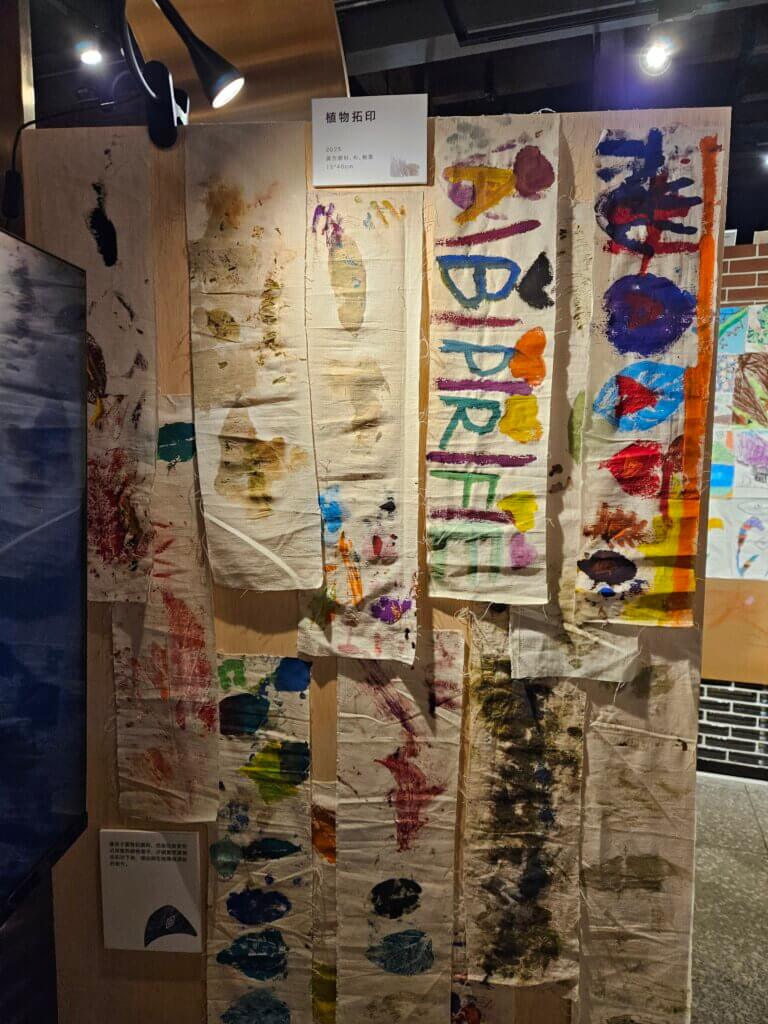
Birgejupmi in the Tayal territory begins with a single millet seed
Published: 18.02.2026BlogArt exhibition Ngasal maku "my home" in Taipei, Taiwan brought together both Tayal community members and representatives from the Ministry of Forestry.
Read more -
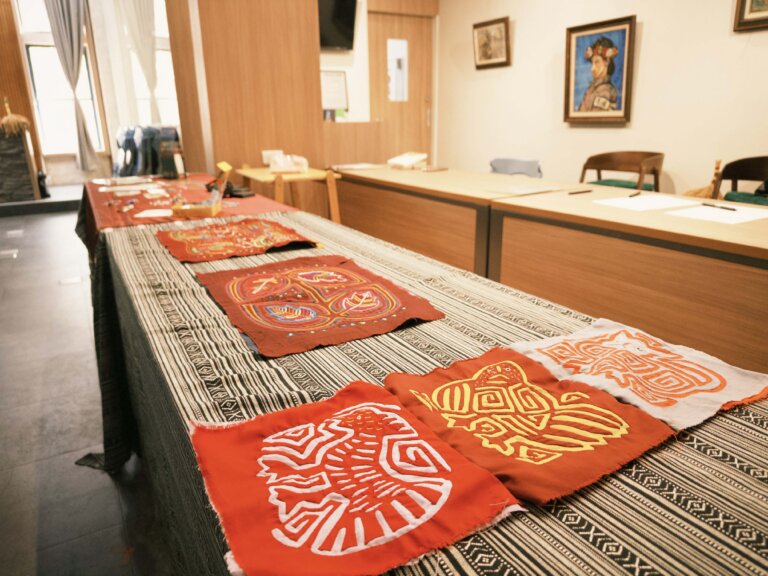
Presentations on ‘birgejupmi’ at National Dong Hwa University
Published: 13.02.2026NewsProject member Wasiq Silan organised a student engagement presentation at the National Dong Hwa University for sharing experiences from the UN Convention held in Panama in 2025.
Read more