The Pukkellaks (Pink Salmon) Seminar 2026 took place on 20 January in Alta, just a week after the input meetings organised by the Norwegian Sámi Parliament and the KMD had concluded. The seminar was organised by the Norwegian Seafood Research Fund (FHF) and focused on experiences with pink salmon during the year 2025. FHF is a state-owned limited company, owned by the Norwegian Ministry of Trade, Industry and Fisheries (NFD) and 100% funded by the seafood industry through an R&D fee of 0.3% on all seafood exports. You can read more about the seminar here (in Norwegian). The event was streamed, you can find the recording below.
BIRGEJUPMI at Pukkellaks 2026
Jan-Erik Henriksen and Ida Hydle attended the Pukkellaks 2026 seminar.

Contributors
Project member: Jan-Erik Henriksen and Ida Hydle
Published: 15.01.2026
Seminar on Pink Salmon
The Norwegian Sámi Parliament and the Ministry of Climate and Environment (KMD) have organised open meetings in Finnmark, seeking input on preserving the Sámi salmon fishing culture. This appears to be a long-awaited start to a collaboration between KMD and the Sámi Parliament. For many years, the Norwegian Sámi Parliament, the Fjord Fisheries Board, and Sámi fishing organisations have called for a willingness to engage in dialogue with KMD and, not least, for traditional and Indigenous knowledge to be considered in new regulations on salmon management. This was clearly expressed at the meetings.
During the seminar, interesting and important insights were shared by fishers, tradition bearers, and researchers. Unlike the Pukkellaks Seminar in 2025 on pink salmon, this year included input from the Norwegian Sámi Parliament and fishers who had tested traditional fishing tools in the fjord. Unfortunately, there were no representatives present from the responsible management authority, KMD, or the Directorate. The lack of collaboration between the two ministries, NFD and KMD, was highlighted—just as it has been at many local meetings about pink salmon traps in rivers in Troms and Finnmark this summer. Many believe it is a significant problem that salmon is managed by KMD, while all other fish in the sea is managed by NFD, and that there are clear gaps in the dialogue between the two ministries. This has serious consequences for e.g. the management of both wild salmon and farmed salmon. The aquaculture industry threatens the existence of the national salmon stocks.

BIRGEJUPMI members Jan-Erik Henriksen and Ida Hydle attended the seminar, calling for dialogue between traditional knowledge and scientific knowledge. Such dialogue could, for example, uncover new pathways for both management and research, such as using the terns as participants in pink salmon fishing in the fjord. Terns mark shoals of pink salmon act as “assistants” in fjord fishing with nets. Another suggestion from tradition bearers is to establish reference nets for coastal salmon fishing or reference rivers for pink salmon traps. Not only tradition bearers but also, for example, the NIBIO report from the 4th International Seminar on Pink Salmon in the Barents Region and Northern Europe at Svanhovd, Pasvik, in October has pointed to this.
Jan-Erik Henriksen and Ida Hydle have provided their input to the Norwegian Sámi Parliament and KMD regarding the preservation of Sámi fishing traditions as sustainable, which also includes the capture of pink salmon and Pacific salmon. You can read more about the recommendations here.
Read more:

Relevant news and publications
-
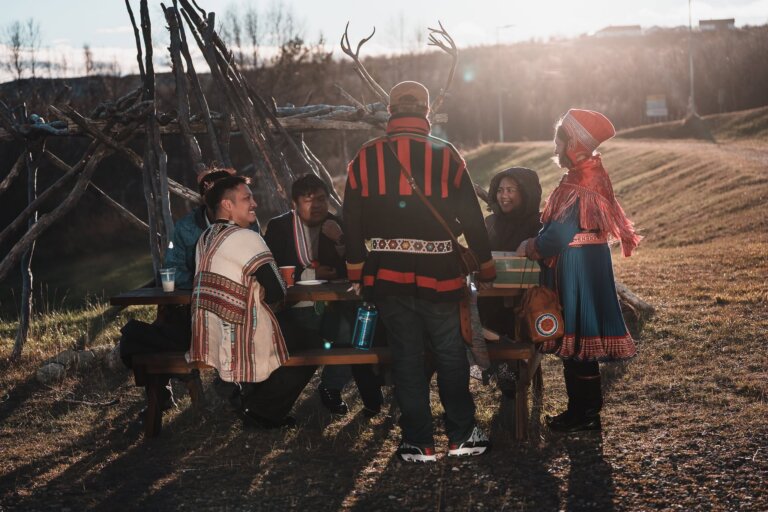
Čakča skuvla in Guovdageaidnu: Learning, connecting, and carrying our relationships forward
Published: 20.10.2026ResearchFrom 5–12 October 2026, Indigenous students, social workers, artists, and researchers gathered in Guovdageaidnu, Sápmi, for Čakča skuvla. Through shared conversations, art, music, food, and stories, we nurtured relationships and solidarity across Sápmi, Kalaallit Nunaat, and Taiwan.
Read more -
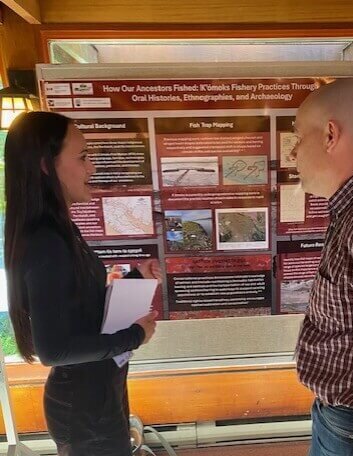
Learning from the Past: Birgejupmi at the 11th Oceans Past Initiative XI (OPI XI) Conference in Victoria
Published: 15.10.2026ResearchOn their North-to-North Dialogue Journey, Ida Hydle and Stephan Dudeck from WP2 explore the past, present and future of human–ocean relationships at the Oceans Past Initiative Conference in Victoria, Canada, and how Indigenous knowledge inspire sustainable futures.
Read more -
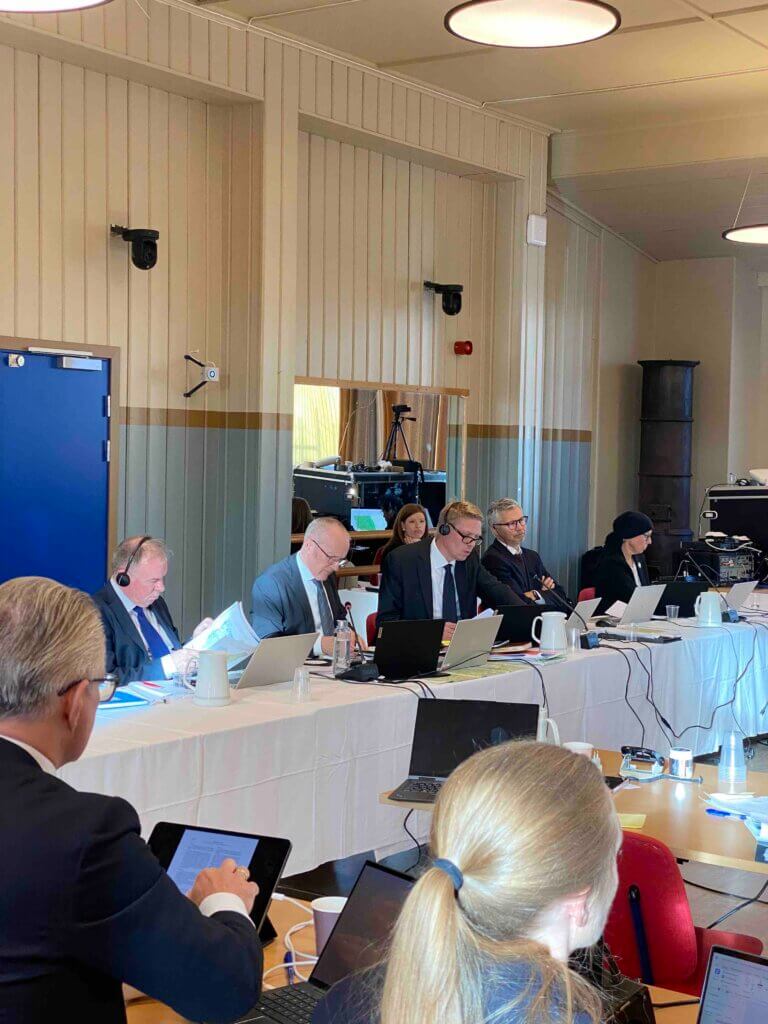
The Karasjok case in the Finnmark Land tribunal and the importance of the term Birgejupmi
Published: 14.10.2026ResearchFrom the Karasjok courtroom, BIRGEJUPMI researcher Ida Hydle reflects on Sámi land rights, collective stewardship, and the meaning of birgejupmi. The case raises fundamental questions about Indigenous worldviews, legal recognition, and relationships between people and the land.
Read more