Ethical, collaborative, and inclusive research
Overview & Objectives
WP1 identifies knowledge gaps and research needs in Arctic coastal communities, develops replicable frameworks for collaborative knowledge creation, and shares best practices for co-creative and co-productive methods across the Arctic. It also captures lessons learned to strengthen the project throughout its implementation.
Identify knowledge gaps and research needs in Arctic coastal communities related to efficient participation in environmental decision-making.
Assess co-creative/co-productive methods and their implementation within a circum-Arctic scope and identify best-practices.

Identify knowledge gaps and research needs in Arctic coastal communities related to efficient participation in environmental decision-making.
Assess co-creative/co-productive methods and their implementation within a circum-Arctic scope and identify best-practices.
Activities & Relational Methods
We work with Sámi civil society, academia, and communities to identify knowledge gaps in an all Sami perspective and co-develop criteria for prioritizing research needs. We compare Indigenous knowledge-centric and academic approaches to assess methodologies, engagement, and impacts. To support long-term collaboration, we build infrastructure for continuous dialogue, evaluation, and co-production. This includes mapping methods across BIRGEJUPMI field sites, involving local knowledge centers and advisors, and tracing early implementation of evaluation techniques. Lessons learned are shared across the project to improve ethical and inclusive research practices.
Expected Outcomes & Impact
WP1 team members
Research Areas
Click each place to read more
Bearalváhkki / Berlevåg is a key Birgejupmi site where youth shape visions for sustainable futures. Through workshops and exhibitions, they explore wind energy and socio-environmental change, fostering inclusive climate decisions and Indigenous resilience in East-Finnmark.
Várjjat / Varanger is a vital Birgejupmi site facing climate, ecological, and green transition challenges. It supports Sámi marine knowledge, inclusive governance, and local empowerment through Indigenous-led resilience efforts.
Porsáŋgu / Porsanger is a key Birgejupmi site facing climate-driven ecological shifts. With Mearrasiida as a knowledge hub, the community revitalizes seal practices through workshops, supporting Sámi traditions, resilience, and sustainable coastal stewardship.
Unjárga / Nesseby is a key Birgejupmi site where Sámi knowledge and youth co-design shape climate, marine, and invasive species research. Workshops and exhibitions explore future visions and assess wind energy’s cultural impacts, supporting Indigenous resilience and adaptation.
Áltá / Alta is a key Birgejupmi site, hosting workshops and working with Alta Museum. The museum’s Sámi heritage work helps counter colonial silencing and supports Indigenous empowerment and sustainable, knowledge-based development.
Divrráid suohkan / Dyrøy is a key Birgejupmi site, selected for its Sámi heritage and strong local knowledge. Working with Gamtofta siida and healer Knut Lunde’s archive fosters dialogue, research, and Indigenous knowledge revitalization in this diverse coastal area.
Guovdageaidnu / Kautokeino is home to a strong traditional Sámi culture, closely connected to research and higher education rooted in the Sámi language. Here, knowledge is mobilized to shape the future of Sápmi.
News & Publications from Work Package 1
Stay updated with the latest publications from this work package, including news articles, reports, and research summaries.
-
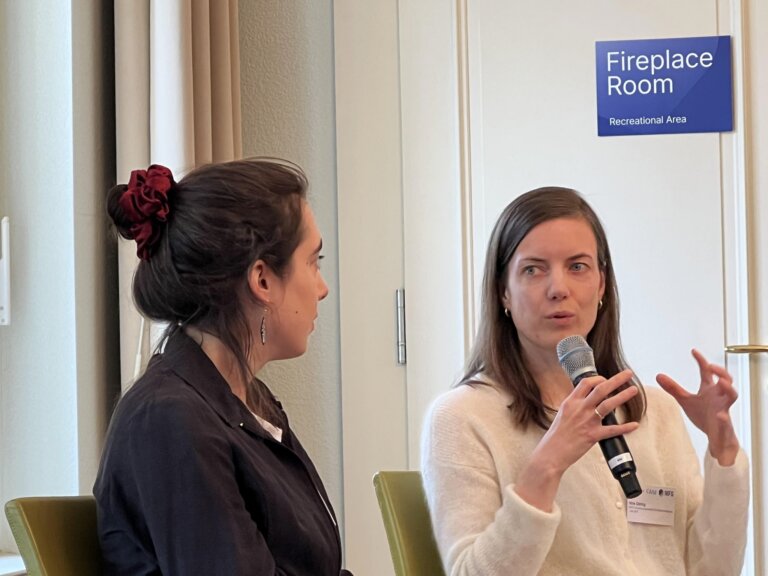
BIRGEJUPMI at the Arctic Dialogue in Potsdam, Germany
Published: 09.05.2026EventBIRGEJUPMI was present at the Arctic Dialogue in Potsdam, Germany, where Indigenous and Non-Indigenous researchers and policymakers discussed co-creation in Arctic research. The sessions focused on research ethics, funding structures, and Indigenous-led approaches to knowledge production.
Read more -
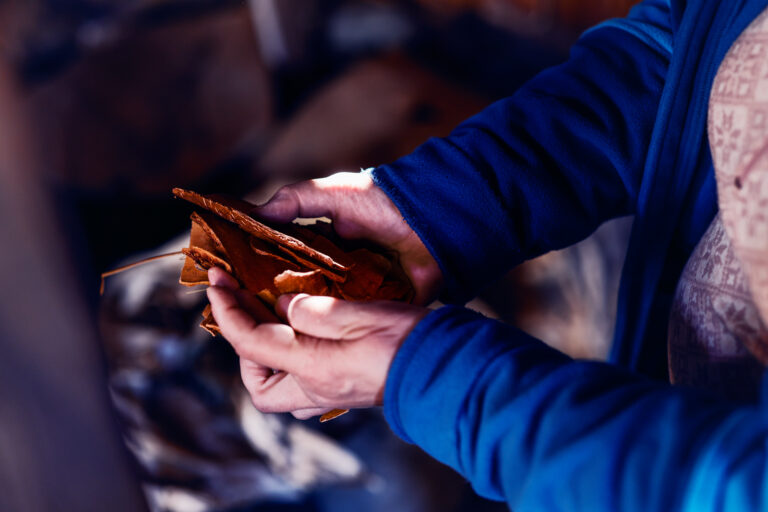
New publication: BIRGEJUPMI in Onsdag 3
Published: 25.03.2026Scientific PublicationWe are excited to share that Ida Hydle’s short article on Birgejupmi is now published in the digital Journal Onsdag 3, edited by OsloMet.
Read more -
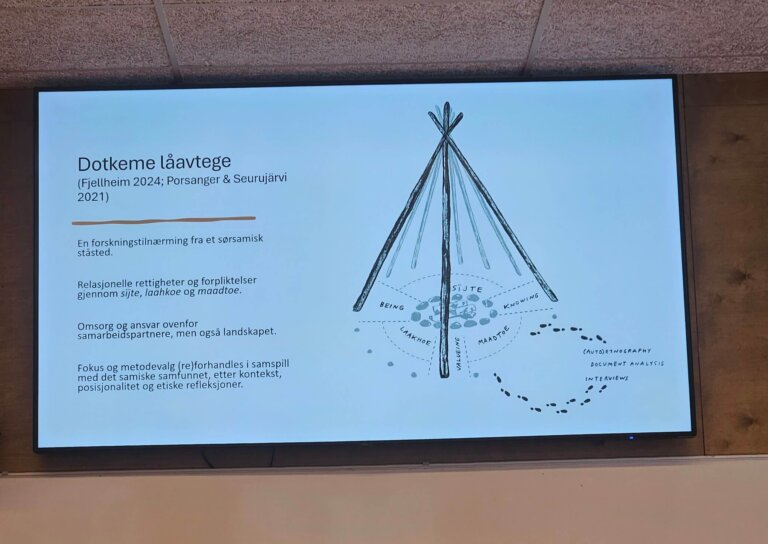
“I want to give something back” – BIRGEJUPMI at Forskningsetik i Saepmie
Published: 09.03.2026FieldworkÅsa Nordin Pittja took part in the conference Forskningsetik i Saepmie in February.
Read more