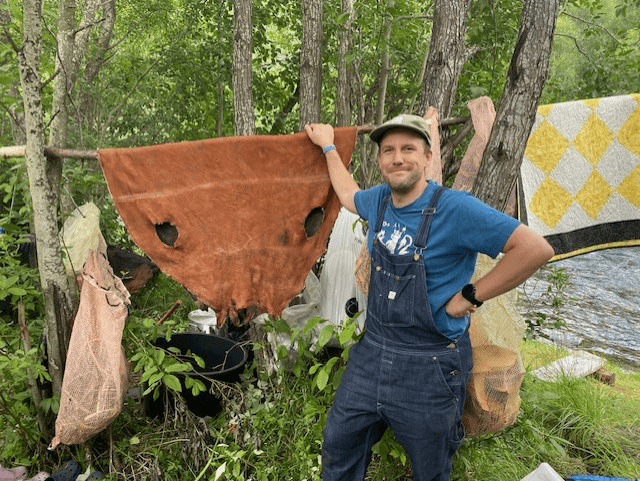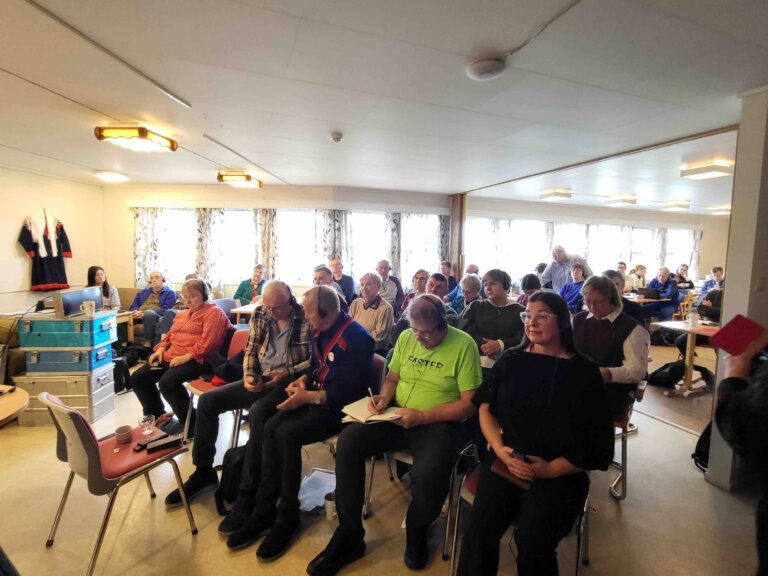
What stood out the most of the discussion was how closely ecology, culture, and politics are tied together in everyday life in the North. For the Itelmen of Kamchatka, salmon are central. They are not just food, but part of ceremonies that express gratitude and respect. In salmon dances, people do not simply represent the fish—they take on its movements and presence. At the same time, Tatiana Degai pointed out something surprising: salmon, despite their importance in daily life, are not always central in older stories and myths. What matters most for survival is not always what is most visible in cultural narratives.
A similar contrast appears with red king crab. Today, it is widely known as a commercial species in the North Pacific and beyond, shaped by state-led introductions and fisheries. But Indigenous communities in Russia are generally not part of this large-scale fishery. Instead, small coastal harvesting of local crab species continues, and crabs also appear in traditional stories. Much knowledge about past uses, however, has been lost over time, making it difficult to fully understand historical relationships with these species.
Tatiana Degai emphasized that salmon-based lifeways were traditionally rooted in rivers, estuaries, and coastal waters. There was little need to go far offshore, because salmon were abundant and reliable. This stands in contrast to today’s industrial fisheries, where species like king crab are part of global markets rather than local subsistence systems.
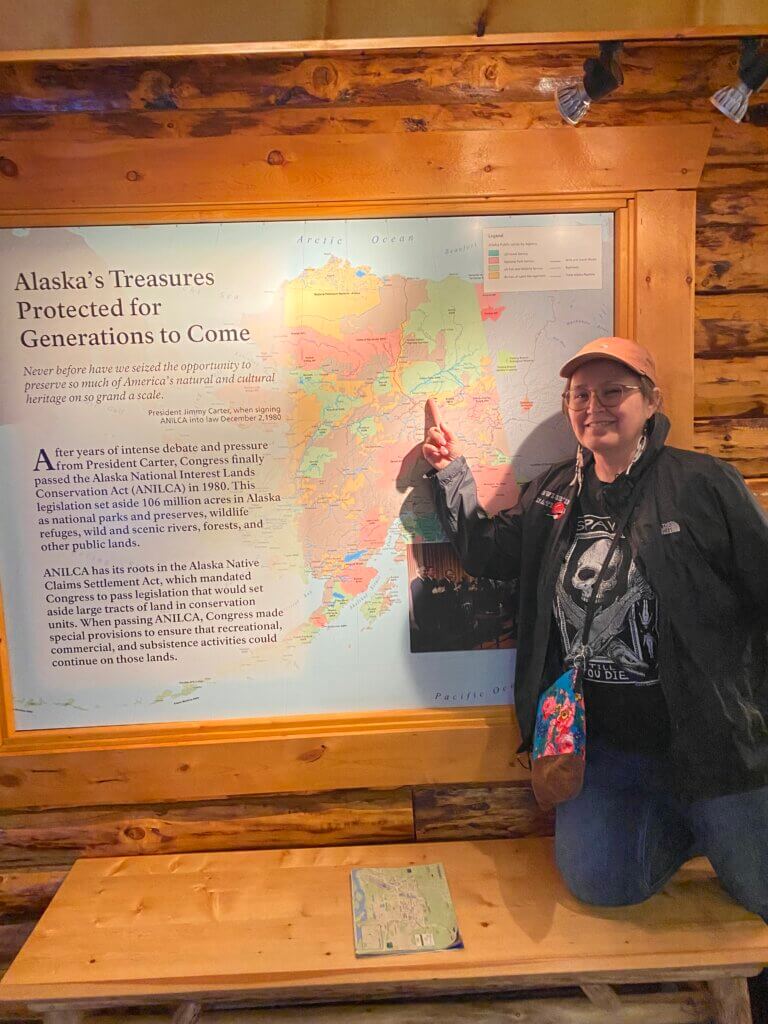
Ida and Stephan’s conversation also turned to environmental governance. Tatiana Degai cautioned against seeing co-management systems in Canada and Alaska as simple success stories. While they often appear progressive from the outside, they can also contain hidden tensions and limits. Indigenous participation does not always mean real decision-making power.
More broadly, she raised concerns about how Indigenous knowledge is translated into legal and political systems. Concepts like “river rights” or “personhood” can sound promising, but they may not capture how relationships with water, fish, and land are actually understood in Indigenous languages and practices. Sometimes what is needed is not only rights, but a stronger focus on relationality, responsibility and care.
What emerged from the conversation is a reminder that environmental governance in the North cannot be separated from history, language, and lived experience. Salmon, king crab, and even invasive plants are not just ecological questions—they are part of ongoing negotiations about knowledge, authority, and how humans relate to the more-than-human world.
Looking ahead, there is growing value in exchange between northern regions—from Kamchatka to Alaska and Scandinavia. But such exchange should not simply transfer models. It needs to pay attention to differences in history and meaning, and to the limits of how easily ideas travel between very different worlds.