Stories that deserve to be heard
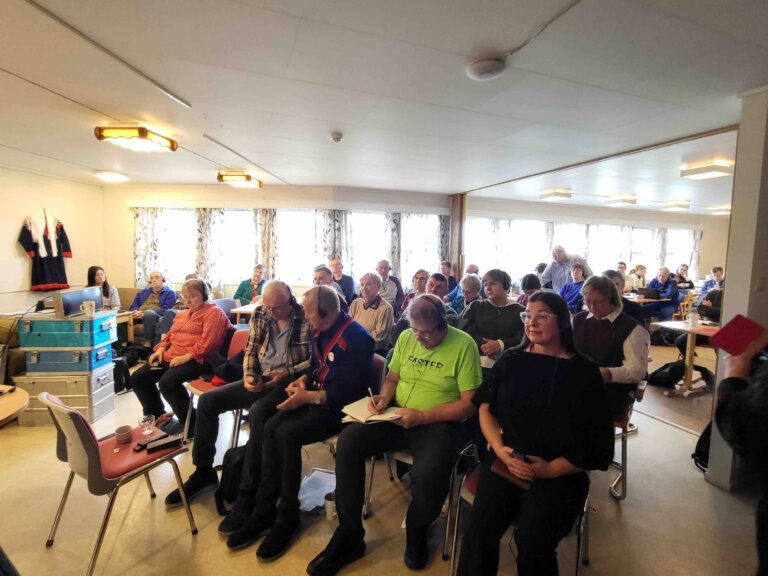
The afternoon continued with a facilitated dialogue about hidden and submerged narratives in the local area.
What stories have never been told publicly? Which memories have remained within families and communities? And what happens when those stories are finally given space?
That evening, Elvetun School became a stage for Jordmoder Marie Magdalena / Kvenmarja, a storytelling performance written and directed by Trine Strand.
Set in 1835, the performance followed a Kven girl coming of age in a northern landscape shaped by encounters between three peoples. Drawing on local historical sources, the performance gave an artistic and embodied form to many of the themes explored during the day.
Day 2 – Friday 26 June: Landscape, Memory, and Stories
On the second day, the seminar shifted focus — from historical reckoning towards landscape, traditional knowledge and future possibilities. The question was practical as well as ecological: how can place-based and Indigenous knowledge be mobilised creatively and responsibly and thus become living resources for the sustainable development of northern communities?
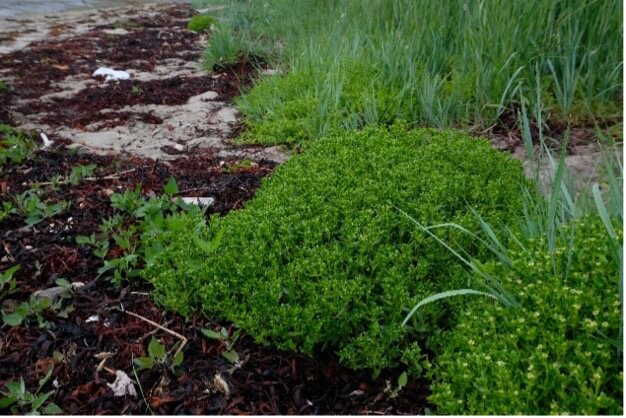
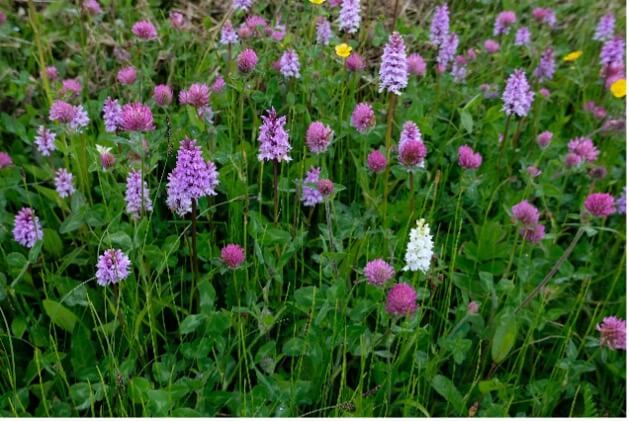
Margrethe Figved from Steinbakken Farm introduced participants to local plants as sources of food and medicine, sharing knowledge rooted in generations of close attention to the northern landscape.
Historian Lill Karin Elvestad explored the region’s layered cultural heritage and the relationship between landscape and identity.
Bjørn A. Berg presented research into stivandring – slow walking – as a way of deepening ecological awareness and developing more sustainable forms of experiential tourism.
The discussion also raised important practical questions about how visitors can move through landscapes responsibly, including the need for information about seasonal vulnerability and the species living along marked paths.
Learning by walking
In the afternoon, participants took the conversation outdoors. A guided walk led by Margrethe Figved brought the group into direct contact with the herbs, edible plants and stories of the Dyrøy landscape. It was an embodied continuation of the seminar’s central topic: knowledge is not only something found in books or presentations. It can also be carried in landscapes, practices, memories and relationships.
The seminar concluded around a shared meal based on local produce, followed by summary reflections from Tarja Salmela (Travelling Post-Corona project / UiT).