The introduction of the seminar “Indigenous Salmon Peoples without a livelihood?” organized by Prof. Camilla Brattland at Riddu Riđđu 2026, read as follows:
“What does it mean to be Indigenous salmon people when the very foundation of life in the rivers and the sea is about to disappear? When the Sámi Parliament introduced the term “Indigenous salmon peoples” (lakseurfolk) in 2024, it divided public opinion. Some dismissed it as an artificial construct, while others finally felt seen. For many, the term was a long-awaited recognition of a River Sámi identity, and shortly after, a dedicated declaration for the protection of the rights of Indigenous salmon peoples saw the light of day. But while the debate rages on, the challenges are lining up out in the rivers and at sea. The massive invasion of pink salmon threatens local stocks, while a dramatic reduction in quotas hits sea fishing hard, particularly in the Sea Sámi districts off Finnmark. In addition, climate change and external pressures are putting the entire future at stake. Both the authorities and the Sámi Parliament are now asking how the Sámi salmon and sea fishing culture can be preserved. But the big, burning question remains: How do we save a living culture when the salmon and cod they depend on are at risk of disappearing? At this year’s UiT Seminar, we invite you to a highly topical and important conversation. Here, you will hear from the politicians setting the guidelines, the researchers who have the data, and the fishers and local activists who experience the crisis firsthand every single day.”
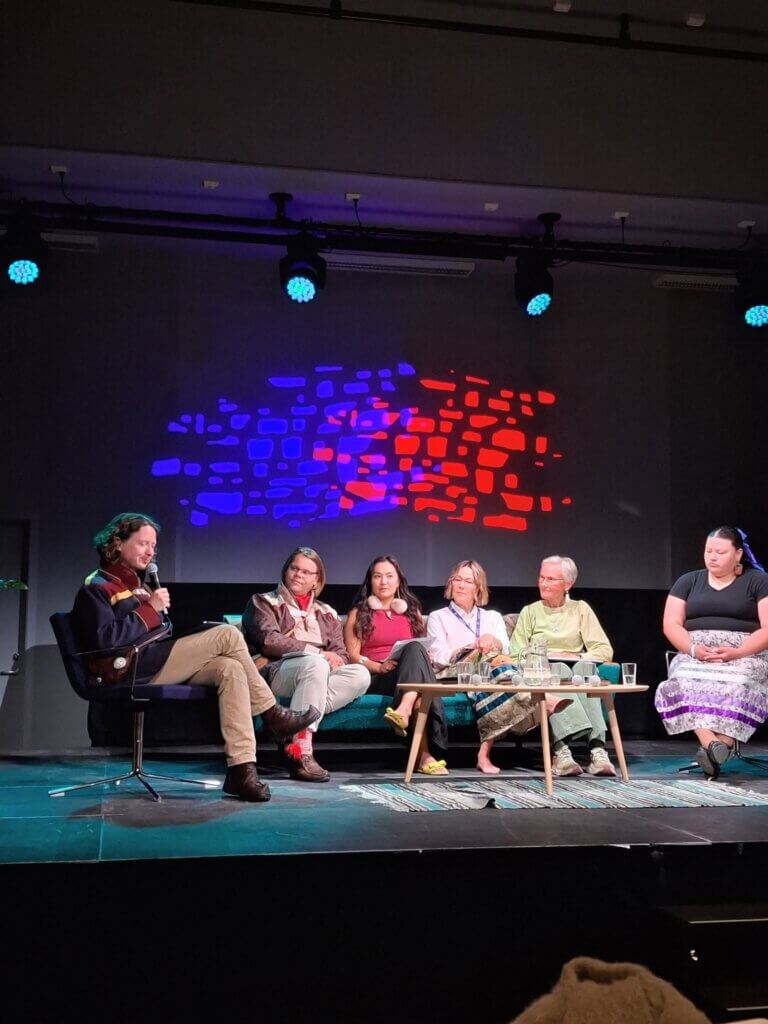
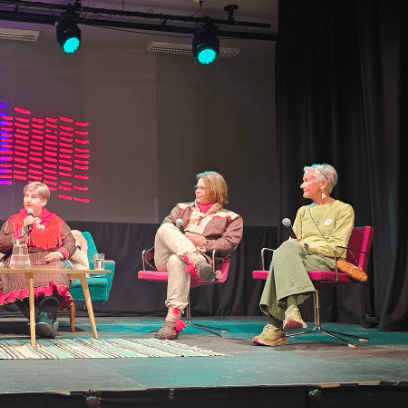
The panel brought together five participants:
Odd Isaksen represented the Manndalen Hunters’ and Fishers’ Association. He offered both a direct insight into how river fishers and local residents experience the crisis in the rivers on a daily basis, and important details about what is required to restore a river course after hydropower development has altered the water supply. The hydropower developers destroyed the salmon spawning grounds in Manndalen by straightening the river channel in order to create a stronger current. Local residents are now working voluntarily to repair the damage and recreate the original river course.
Hege Persen is the managing director of the Joddu Sea Salmon Centre in Deatnu (Tana). She highlighted the situation from a local management and public-information perspective. Joddu regularly brings together people from both local and central levels—fishers, researchers and politicians—for information meetings and debates. Seminars and working groups also contribute to raising awareness of the difficult governance issues and conflicts surrounding both Atlantic salmon and pink salmon.
Sámi Parliament Executive Council member Jon-Christer Mudenia works to protect wild salmon, Sámi salmon-fishing culture, and to promote active measures against pike and pink salmon in the Deatnu (Tana) watercourse. He has particular responsibility for these issues within the Sámi Parliament and criticised the authorities for closing fisheries to local people rather than implementing active measures against salmon-eating pike. Referring to local Indigenous knowledge, he calls for intensified pike fishing to save the salmon. He has also been involved in efforts against pink salmon and its potentially negative consequences for native Atlantic salmon, stressing how fishing for pink salmon at sea can make a positive contribution to the Sámi population and culture if the catch is utilised.
Ida Hydle, our WP5 researcher in BIRGEJUPMI presented recent findings from her fieldwork on how state measures affect Sea Sámi culture, using examples involving pink salmon and king crab in Varanger and Porsanger. She also placed great emphasis on both Indigenous knowledge and research showing how the seafood industry, with toxic discharges, salmon lice and sewage from farmed fish, kills smolt and destroys the basis of livelihood for both salmon and other fish in the fjords. This is compounded by bottom trawling in the Barents Sea and purse-seine fishing outside the fjords, which destroy the conditions necessary for the growth of salmon, cod and other fish. In addition, there is insufficient control of so-called “bycatch.” We lack knowledge of how much of this consists of salmon.
Ida also spoke about her recent North-to-North dialogue journey to Alaska and Canada, where she encountered many of the same problems faced by different Indigenous peoples and their struggle for the right to their own living areas and not to be overrun by the industrialisation of wider society, which threatens their livelihoods. There, the concept of Salmon Indigenous Peoples and the 2024 Karasjok Declaration were emphasised as important elements in education and in the struggle for rights: for the survival of both salmon and people.