University of Copenhagen
WP3 Lead: Naja Dyrendom Graugaard, Associate Professor, University of Copenhagen
ndg@hum.ku.dk
Coastscapes-relationalities
Overview & Objectives
WP3 brings visibility to Indigenous and local knowledge in Arctic coastal communities by exploring archival records and the connections between art, healing, and the natural world. It develops a relational One Health approach grounded in Indigenous knowledge to support health, well-being, resilience, and stronger connections between people, communities, and their environments.
Explore the connections between art, healing, nature, and the relational values people place on their environment.
Bring silenced Indigenous knowledge and local knowledge from Arctic archives back into use, making it accessible to communities and policymakers to support better-informed coastal governance.
Use innovative, multimodal methods to make Indigenous knowledge more visible and accessible, while building a knowledge base for a relational One Health approach grounded in Arctic Indigenous ways of relating to land and sea.

Explore the connections between art, healing, nature, and the relational values people place on their environment.
Bring silenced Indigenous knowledge and local knowledge from Arctic archives back into use, making it accessible to communities and policymakers to support better-informed coastal governance.
Use innovative, multimodal methods to make Indigenous knowledge more visible and accessible, while building a knowledge base for a relational One Health approach grounded in Arctic Indigenous ways of relating to land and sea.
Activities & Relational Methods
WP3 brings together Elders, knowledge holders, artists, researchers, and communities to explore connections between Indigenous art, healing, reconciliation, cultural memory, traditional knowledge, identities, ways of belonging, and the natural world. We will organise an international conference ‘Birgejupmi Through Art & Duodji’, work with archives and communities in Sápmi and Kalaallit Nunaat, and document sea- and landscape memories to bring Indigenous knowledge to the forefront.
We also develop a knowledge base an workshop framework for an Indigenous knowledge-grounded One Health approach. We implement this approach with coastal communities in Kalaallit Nunaat and create tools that can support similar initiatives across the Arctic.
Expected Outcomes & Impact
Art, Healing & Reconciliation
A report of this unique three-part international conference “Birgejupmi Through Art & Duodji” that spans London – Nuuk- Guovdageaidnu/Kautokeino capturing key insights and learnings on Indigenous art, healing, reconciliation, and connections with the natural world.
Bringing silenced knowledge to light
A report documenting instances of silenced Indigenous knowledge in coastal archives across Sápmi and Kalaallit Nunaat, informed by local partners and community perspectives.
Relational Indigenous-grounded One Health
A localized workbook for Indigenous-led, healing-responsive One Health approaches, grounded in Kalaallit knowledge, terminology, and relationships with land and sea.
WP3 Team members
Research Areas
Click each place to read more
Nuuk, the capital of Kalaallit Nunaat, is a vibrant hub where Birgejupmi researchers hosted a workshop with Indigenous knowledge holders on relationships to sea, land, healing, and health.
Divrráid suohkan / Dyrøy is a key Birgejupmi site, selected for its Sámi heritage and strong local knowledge. Working with Gamtofta siida and healer Knut Lunde’s archive fosters dialogue, research, and Indigenous knowledge revitalization in this diverse coastal area.
Áltá / Alta is a key Birgejupmi site, hosting workshops and working with Alta Museum. The museum’s Sámi heritage work helps counter colonial silencing and supports Indigenous empowerment and sustainable, knowledge-based development.
Qaqortoq is the biggest town in the municipality of Kujalleq, in Southern Kalaallit Nunaat, with a population of app. 3000 inhabitants. Birgejupmi researchers, Vivi Vold and Naja D. Graugaard have visited local organizations and institutions to gain a deeper understanding of the relations between health and local cultural practices, such as how it is represented in the hunting profession, education and tourism.
Nanortalik, the southernmost town in Kalaallit Nunaat, is a key site for Birgejupmi researchers’ engagement with local residents, including hunters and the local meat market. Through conversations about traditional, land-based knowledge and its links to healing, the team explores current challenges and the connections between health and cultural practices, particularly within the hunting profession.
Ilulissat is the third-largest city of Kalaallit Nunaat and is located in the Avannaata municipality. It is a place where Inuit-led local operators are actively adapting to climate changes. Birgejupmi researchers, Vivi Vold, Paarnaq Rosing Jakobsen, and Naja Dyrendom Graugaard hosted a workshop and a community peer review of our work with Indigenous knowledge holders, focusing on the connections between land relations, healing, and health. Together with insights from visits to other towns and communities, this contributes to a broader understanding of a One Health approach in the coastscapes of Kalaallit Nunaat.
Igaliku is a small southern village of around 30 people, located within the UNESCO World Heritage site “Kujataa Greenland.” Birgejupmi researchers engaged with local herders and farmers to explore observed changes, current challenges, and future visions.
News & Publications from Work Package 3
Stay updated with the latest publications from this work package, including news articles, reports, and research summaries.
-
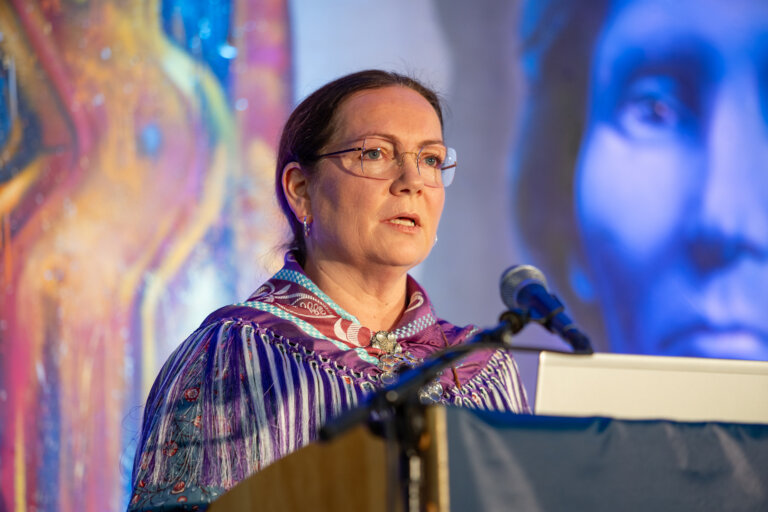
Congratulations to BIRGEJUPMI Researcher Nina Hermansen
Published: 09.05.2026EventWe warmly congratulate BIRGEJUPMI researcher Nina Hermansen on her promotion to Associate Professor in Social Studies at UiT The Arctic University of Norway. In BIRGEJUPMI, Nina contributes to research on sea- and landscapes as living archives, community well-being, and Arctic coastal futures.
Read more -
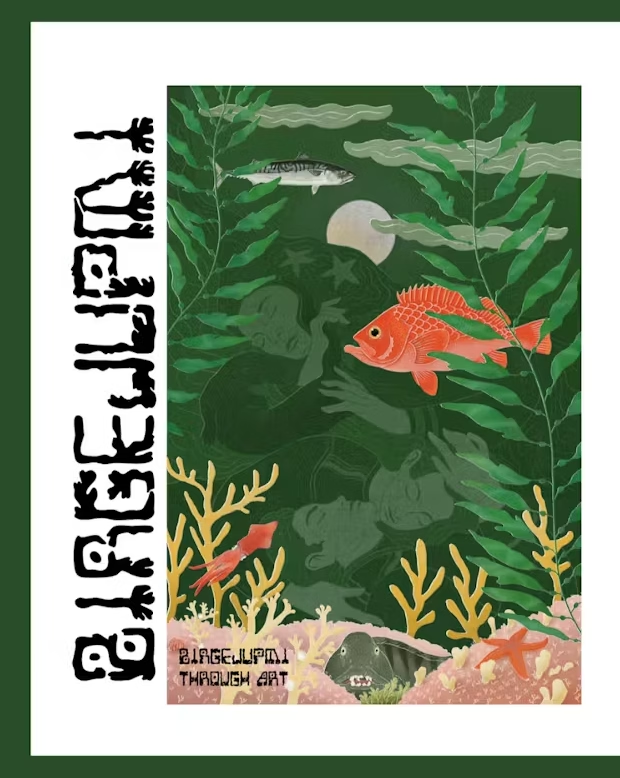
A Powerful Finale: Celebrating 3rd Birgejupmi through Art & Duodji Seminar in Guovdageaidnu
Published: 09.05.2026EventThis 3rd Birgejupmi through Art & Duodji seminar in Guovdageaidnu united artists, researchers, and knowledge holders for three vibrant days where art, duodji, culture, and knowledge were lived through presentations, dialogue, music, and reflection on Indigenous artistic futures in Sápmi and beyond.
Read more -
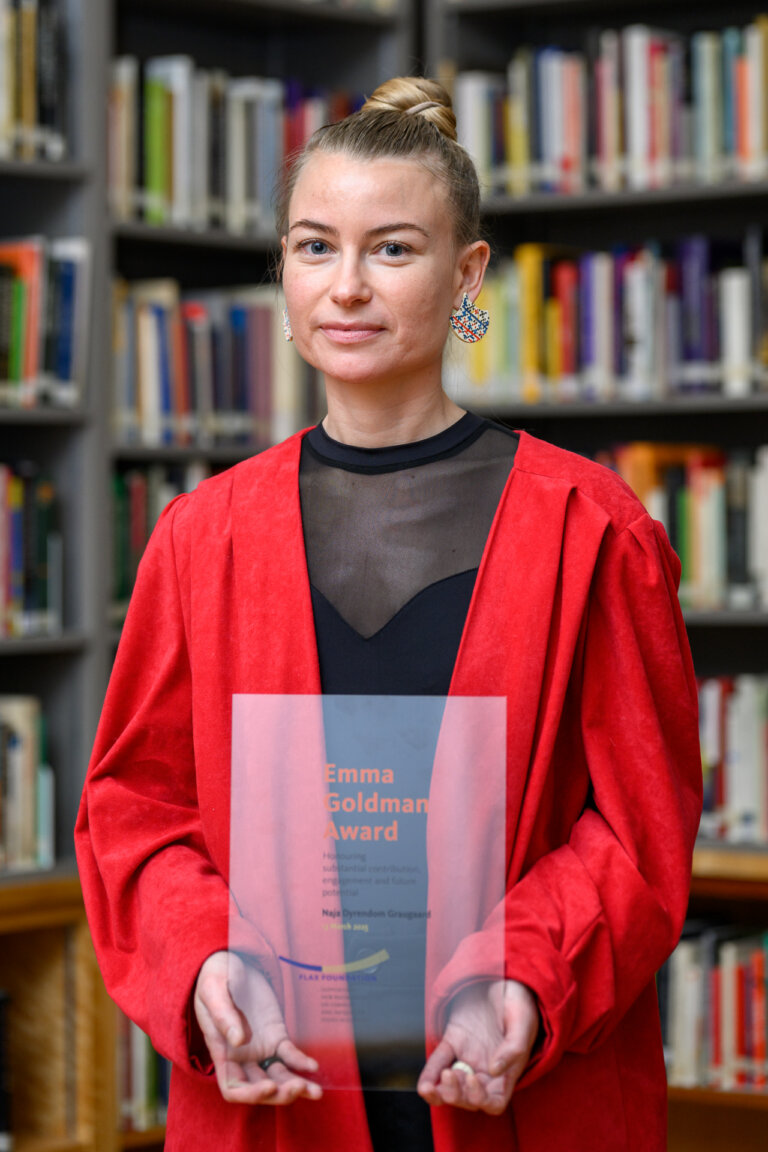
Birgejupmi Researcher Naja Dyrendom Graugaard awarded Emma Goldman Fellowship in Vienna
Published: 17.04.2026EventWe congratulate Naja Dyrendom Graugaad for being awarded an Emma Goldman Fellowship at the Institute for Human Sciences (IWM) in Vienna. During April, she is continuing her research on Inuit land relations and wellbeing in Kalaallit Nunaat while engaging with an international research community.
Read more