UiT The Arctic University of Norway
WP6 Lead: Britt Kramvig , Professor, UiT
britt.kramvig@uit.no
New actors and spaces for improved knowledge building
Overview & Objectives
WP6 explores new ways for museums, archives, and libraries to become active knowledge stewards and new Elders and strengthen their relationships with coastal Arctic communities. Building on WP3, it explores how landscapes and seascapes can act as living archives, holding knowledge, memories, stories, and experiences that can contribute to more inclusive approaches to marine environmental governance.
Through walking, storytelling, embodied research, and journeys across land and sea, WP6 brings together different ways of experiencing and understanding the Arctic. These sensory and experiential approaches create opportunities to uncover and share knowledge that is embedded in places, practices, and relationships.
Exploring landscapes as living archives
Explore the empowering potential of sea- and landscapes as living archives of memories, stories, and histories. By bringing archival research together with local and Indigenous practices, WP6 connects past memories with present landscapes and fosters new understandings of coexistence across diverse worlds.
Strengthening community engagement and knowledge
Map and strengthen the involvement of local museums, heritage sites, and libraries in making Traditional Indigenous and local knowledge more visible. This work contributes to ongoing efforts to broaden historical narratives and support a peaceful and sustainable Arctic.
Reimagining museums, archives, and libraries
Explore museums, archives, and libraries as new knowledge stewards and safer spaces for knowledge-building and exchange. WP6 aims to develop innovative approaches that respond to community needs and transform these institutions into more vibrant, inclusive spaces for research, learning, and collaboration.

Exploring landscapes as living archives
Explore the empowering potential of sea- and landscapes as living archives of memories, stories, and histories. By bringing archival research together with local and Indigenous practices, WP6 connects past memories with present landscapes and fosters new understandings of coexistence across diverse worlds.
Strengthening community engagement and knowledge
Map and strengthen the involvement of local museums, heritage sites, and libraries in making Traditional Indigenous and local knowledge more visible. This work contributes to ongoing efforts to broaden historical narratives and support a peaceful and sustainable Arctic.
Reimagining museums, archives, and libraries
Explore museums, archives, and libraries as new knowledge stewards and safer spaces for knowledge-building and exchange. WP6 aims to develop innovative approaches that respond to community needs and transform these institutions into more vibrant, inclusive spaces for research, learning, and collaboration.
Activities & Relational Methods
WP6 brings together narratives, memories, and practices across Norwegian, Sámi, and Kven communities, generations, national borders, and changing social and economic contexts. Through engagement with historical archives, living memories, stories, songs, and joiks, we will explore the connections between sea and landscape, cultural memory, and traditional ways of knowing and living.
Together with local communities, we will explore how stories and memories can serve as resources for understanding the past and imagining the future. We will look for knowledge and insights within archives that can speak to contemporary challenges, while exploring landscapes and seascapes as living archives.
These activities will also examine how museums, archives, and libraries can become active knowledge stewards—creating spaces for knowledge exchange, strengthening community voices, and supporting more inclusive, community-based decision-making in the Arctic.
Expected Outcomes & Impact
Building community partnerships and local ownership
In Divrráid suohkan/Dyrøy and Orjješ-Ráisa/Sørreisa, we will work with local partners, cultural workers, schools, elders, and Sámi heritage initiatives to shape activities around local needs and knowledge. Through historical walks, exhibitions, creative workshops, talks, and community engagement, we aim to strengthen local ownership and make coastal heritage and living knowledge more visible.
Walking towards new forms of knowledge stewardship
Walking, storytelling, and Indigenous ways of knowing will bring researchers, museums, and local communities together around Sámi tangible and intangible heritage in the Altafjord. An open research seminar will create space to exchange perspectives and explore how museums can evolve as active knowledge holders and become “new Elders” within their communities.
Creating space for reciprocal knowledge and dialogue
In Kalallit Nunaat, we will create space for community-led conversations around food, healing, memory, and place. Through visiting, shared meals, deep listening, and relational approaches, we will build relationships based on reciprocity and respect, allowing outcomes to emerge together with the community rather than being imposed from outside.
WP6 team members
Research Areas
Click each place to read more
Nuuk, the capital of Kalaallit Nunaat, is a vibrant hub where Birgejupmi researchers hosted a workshop with Indigenous knowledge holders on relationships to sea, land, healing, and health.
Áltá / Alta is a key Birgejupmi site, hosting workshops and working with Alta Museum. The museum’s Sámi heritage work helps counter colonial silencing and supports Indigenous empowerment and sustainable, knowledge-based development.
Divrráid suohkan / Dyrøy is a key Birgejupmi site, selected for its Sámi heritage and strong local knowledge. Working with Gamtofta siida and healer Knut Lunde’s archive fosters dialogue, research, and Indigenous knowledge revitalization in this diverse coastal area.
News & Publications from Work Package 6
Stay updated with the latest publications from this work package, including news articles, reports, and research summaries.
-
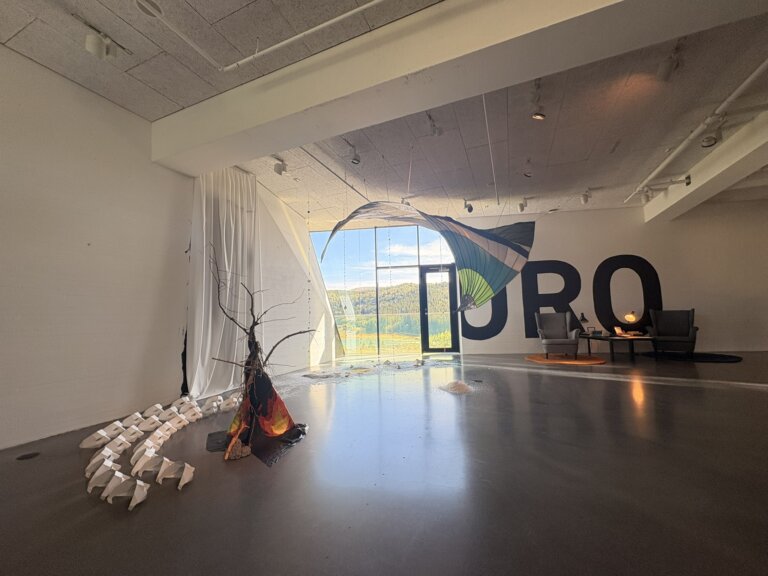
Reading Hamsun Through Sámi Counter-Voices
Published: 18.08.2026EventAt this year’s Hamsun Days, Sámi perspectives moved to the centre of discussions about Knut Hamsun, literature, and history. From a contemporary Sámi soundtrack to conversations on self-representation, the festival opened new ways of reading Hamsun’s legacy.
Read more -
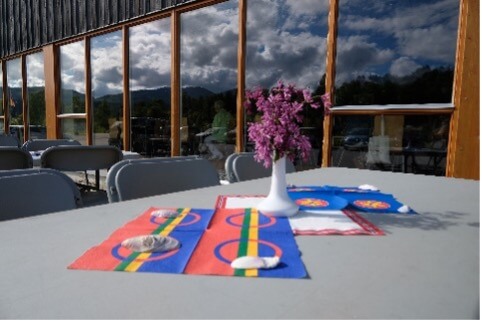
Stories from the Past, Visions for the Future: “Tre stammers møte” in Dyrøy
Published: 10.08.2026EventWhat happens when history, local knowledge, young voices and visions for the future come together? On 25–26 June 2026, Dyrøy/Divrrát/Tyras became a place for dialogue about Sámi, Kven and Norwegian histories, reconciliation and the future of northern communities.
Read more -
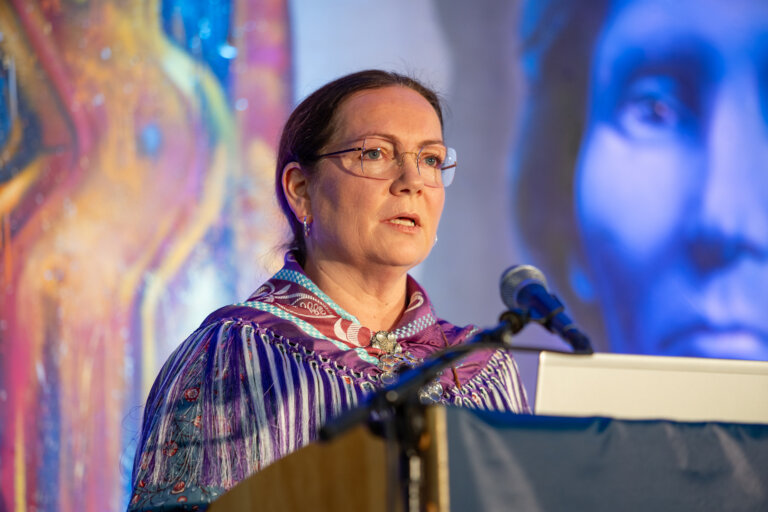
Congratulations to BIRGEJUPMI Researcher Nina Hermansen
Published: 09.05.2026EventWe warmly congratulate BIRGEJUPMI researcher Nina Hermansen on her promotion to Associate Professor in Social Studies at UiT The Arctic University of Norway. In BIRGEJUPMI, Nina contributes to research on sea- and landscapes as living archives, community well-being, and Arctic coastal futures.
Read more