A space we created together
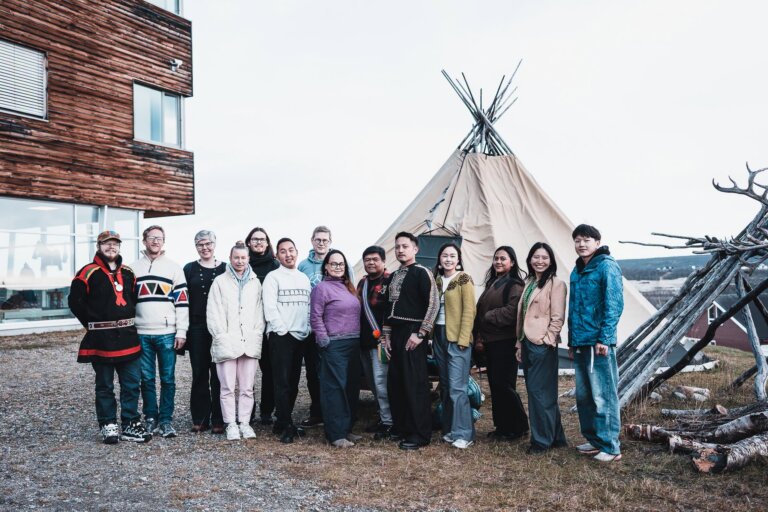
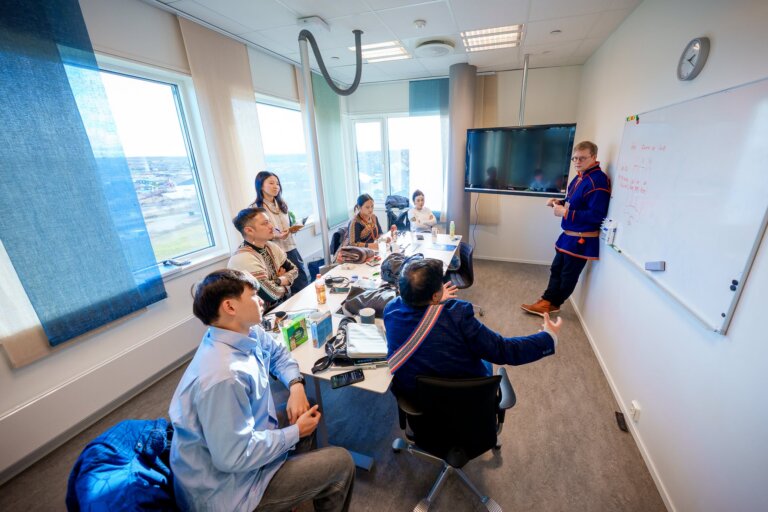
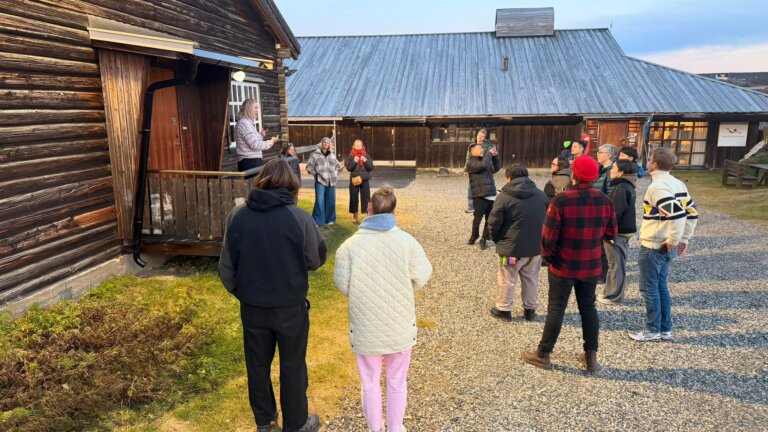
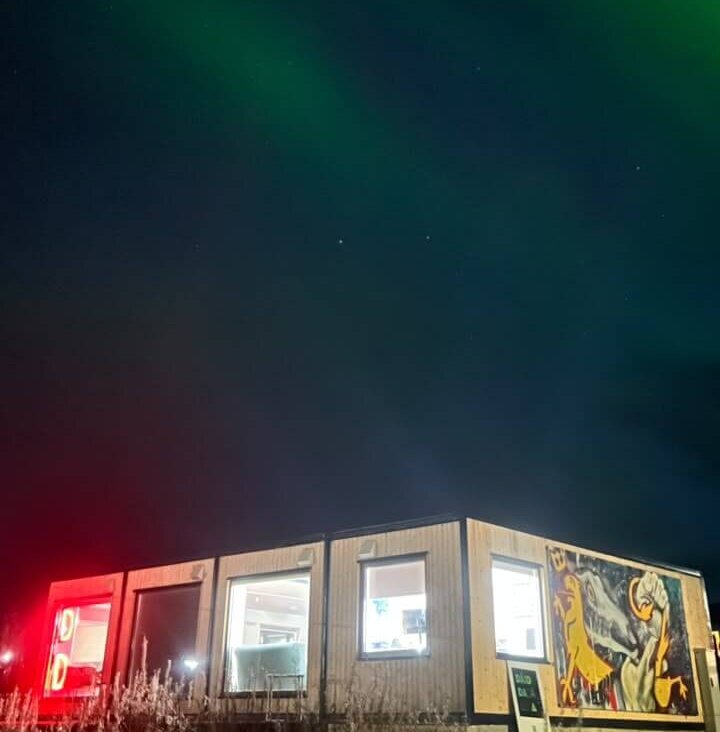
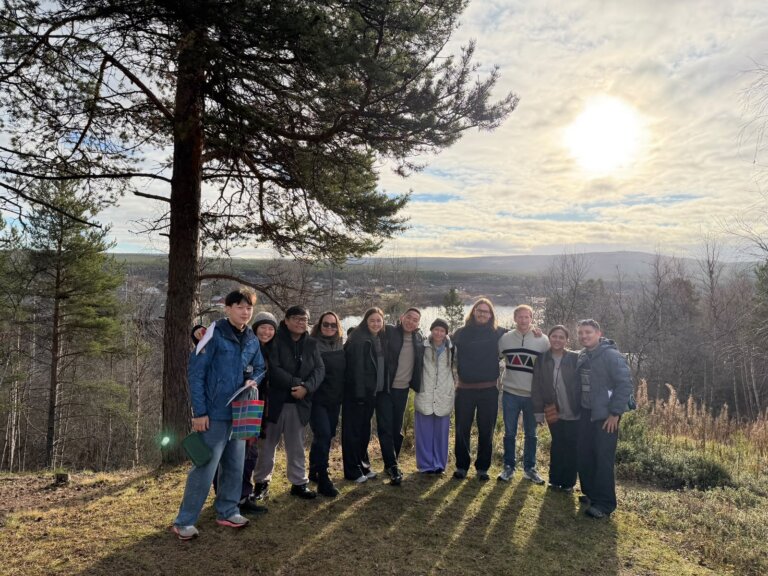
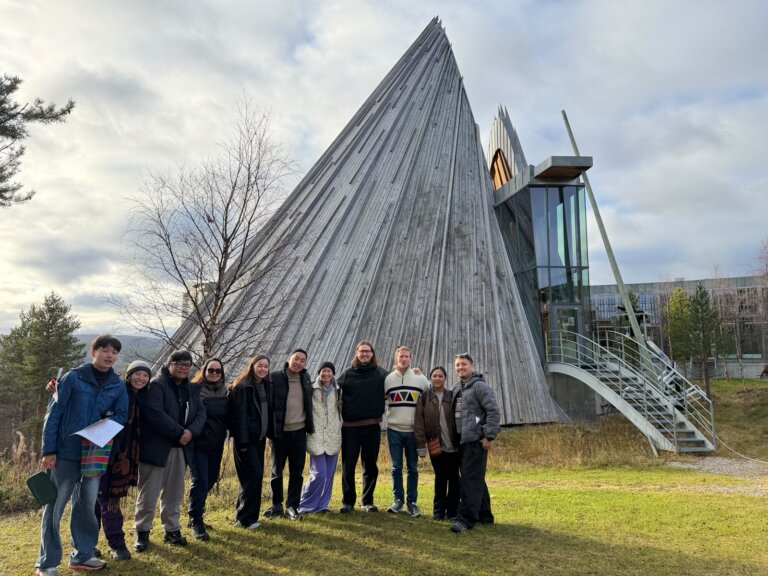
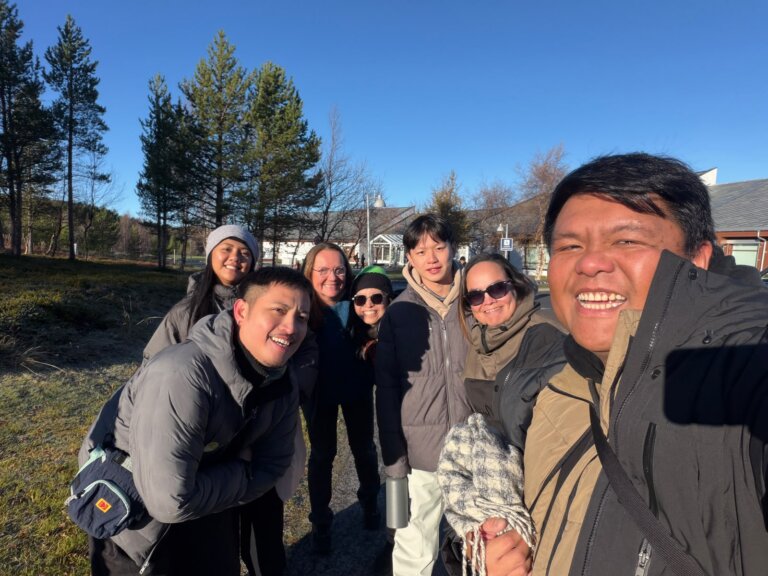
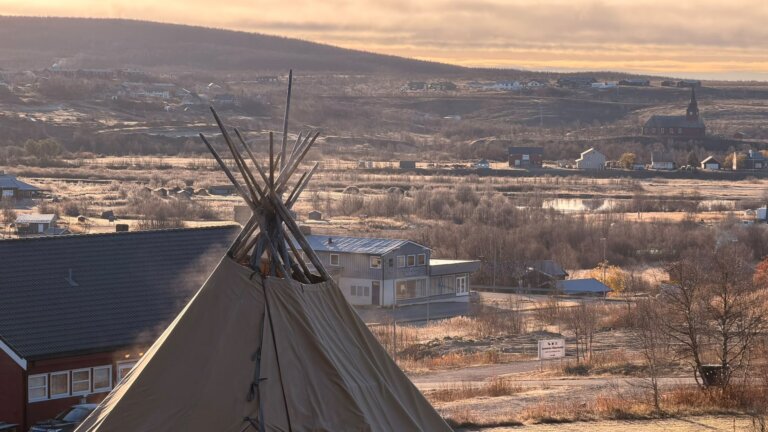
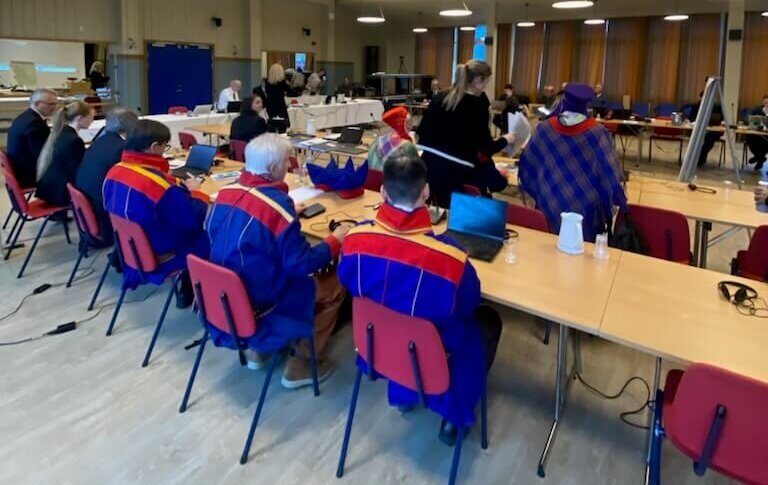
From 5–12 October 2027, we gathered at Sámi allaskuvla in Guovdageaidnu, in the heart of Sápmi, for Čakča skuvla — Autumn School in North Sámi.
We came together as Indigenous people with different histories, experiences, languages, and relationships to our communities. Over the course of the week, these different experiences met in conversations, shared meals, laughter, moments of reflection and silence, and care. Čakča skuvla was an invitation to learn with and from one another and to imagine the kinds of learning spaces and futures we wanted to create together. The week reminded us that Indigenous learning takes place through relationships with one another, with our elders and communities, with our lands, and through the knowledge, practices, and stories we carry across generations.
Sharing knowledge, creating space, and learning with one another
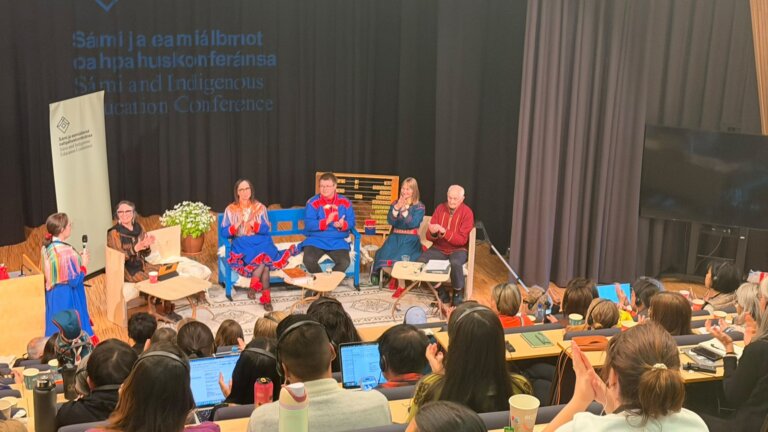
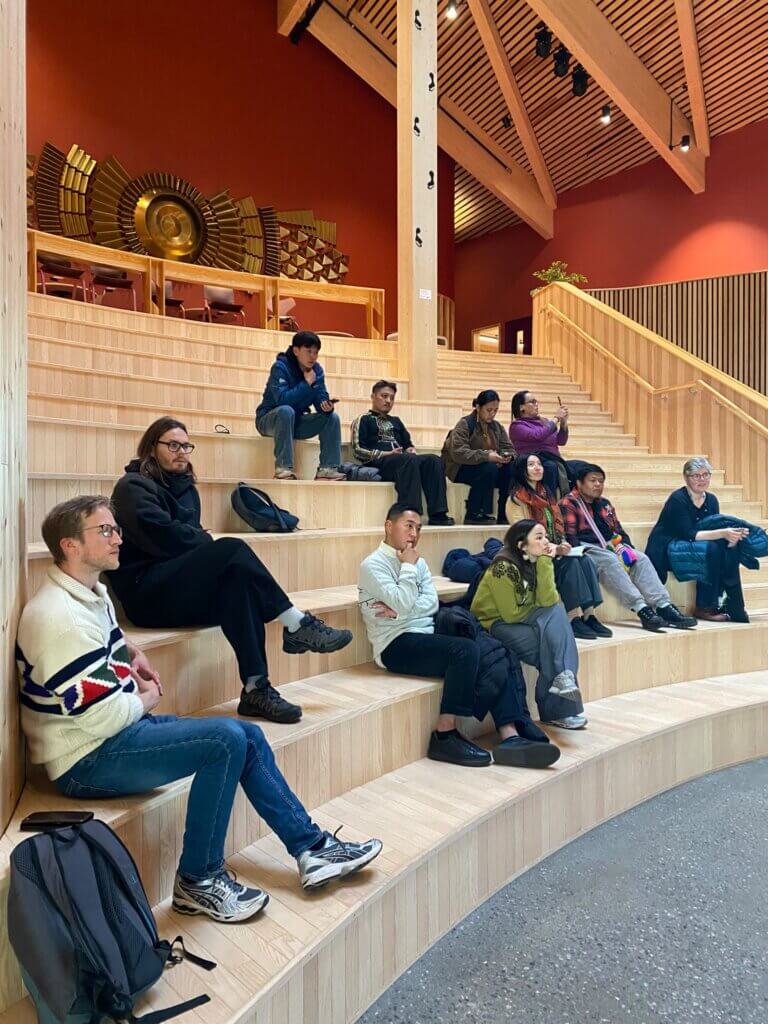
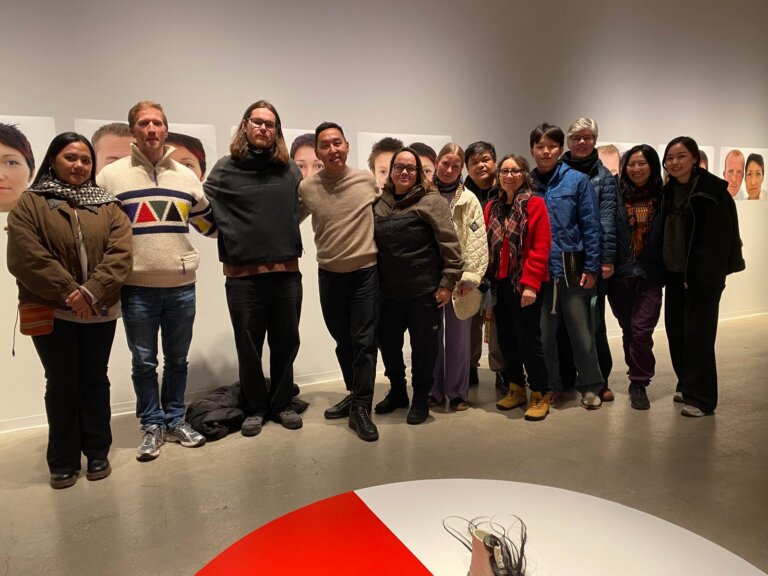
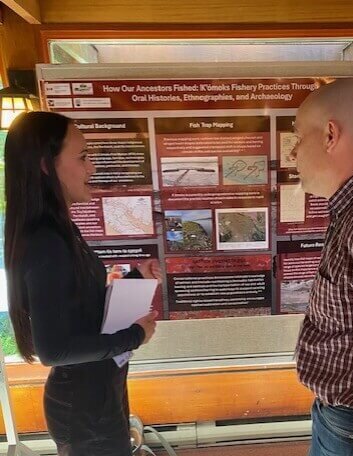
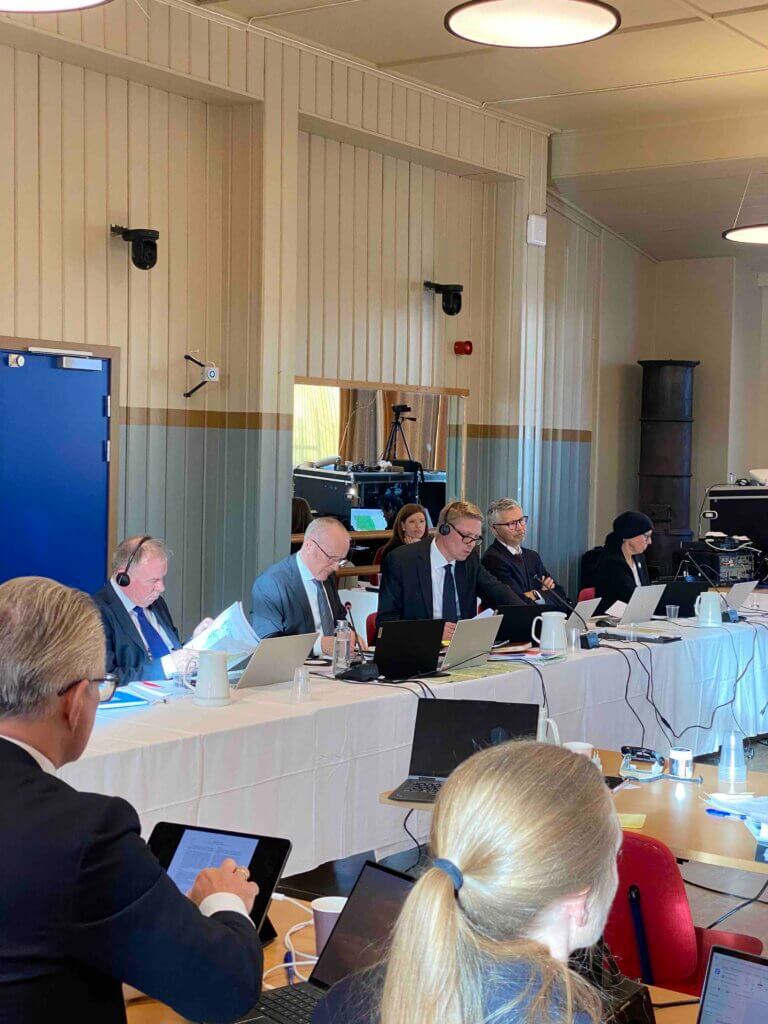
Throughout the week, we participated in the 2026 Sámi and Indigenous Education Conference, a space for sharing knowledge, experiences, and perspectives on Indigenous education. Vivi Vold presented her powerful film “From Where We View the World”, offering points of reflection. Our Birgejupmi group also hosted a side event, bringing together voices and experiences from different Indigenous contexts to explore Indigenous approaches to education, teaching, and learning, as well as the ongoing work of Indigenisation within educational settings.
We were especially honoured to learn from and spend time with Professor Linda Tuhiwai Smith, whose groundbreaking work has profoundly shaped Indigenous research and education, and decolonising methodologies internationally. Her commitment to Indigenous self-determination continue to inspire generations of Indigenous educators, and communities to reclaim knowledge, challenge colonial structures, and imagine futures grounded in Indigenous values, relationships, and aspirations. Having her with us in Guovdageaidnu created a meaningful opportunity to continue these conversations together and reflect on what Indigenous-led education can make possible.
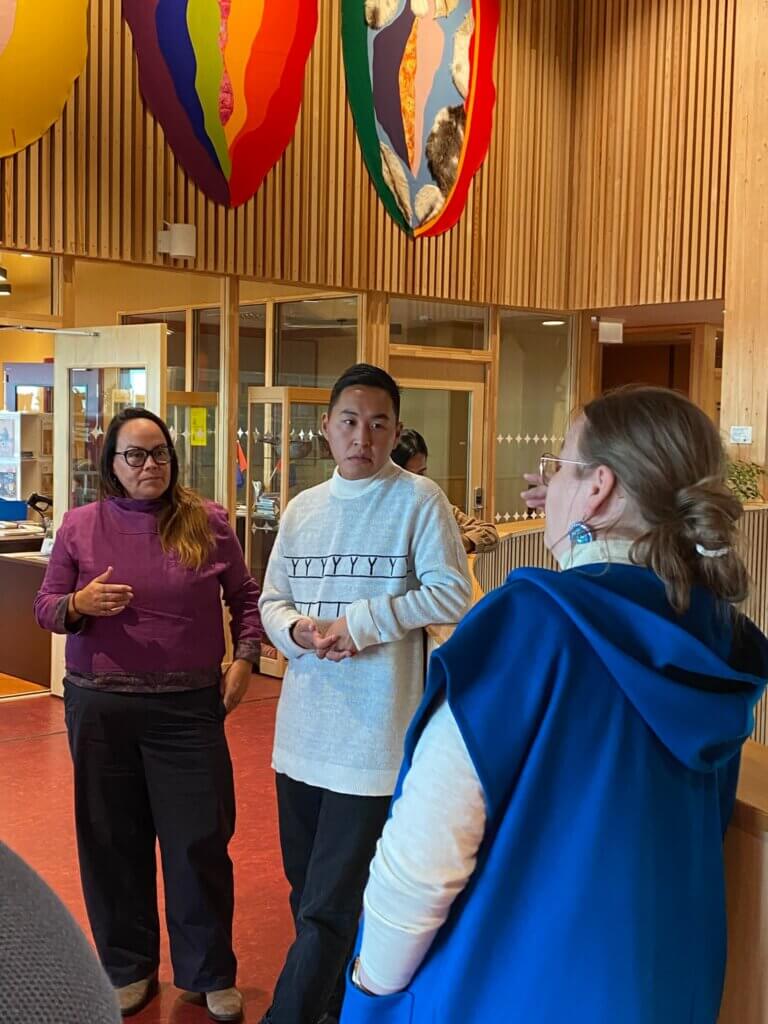
We also valued the exchange between Line Karlsen from Sámi allaskuvla’s Pathfinder Programme and representatives of The Greenlandic House. Their conversations highlighted the importance of further strengthening North-to-North exchanges between Indigenous students, creating more opportunities to connect, share experiences, learn from one another, and build relationships across northern Indigenous communities. The Pathfinder Programme offered an inspiring point of connection, prompting reflections on how educational pathways can better encourage and support Indigenous students while fostering connections between institutions and communities. Together, these exchanges strengthened our shared commitment to nurturing Indigenous-led learning opportunities and more meaningful, empowering educational experiences.
Our conversations with Pirjo Kristiina Virtanen, co-lead of the Centre of Excellence for MultiBEING Justice in Indigenous Societies, and Francisco Apurinã of the Apurinã nation in the Brazilian Amazon, offered perspectives on Indigenous knowledge, self-determination, and what justice means across relationships between people, land, and other beings. Their work resonates with Birgejupmi’s commitment to learning spaces grounded in Indigenous values, and ways of being.
Eva Fjellheim also brought valuable perspectives to our conversations, enriching our reflections on Indigenous knowledge, Sámi experiences, decolonisation, and the ongoing struggles for Indigenous rights, recognition, and self-determination.
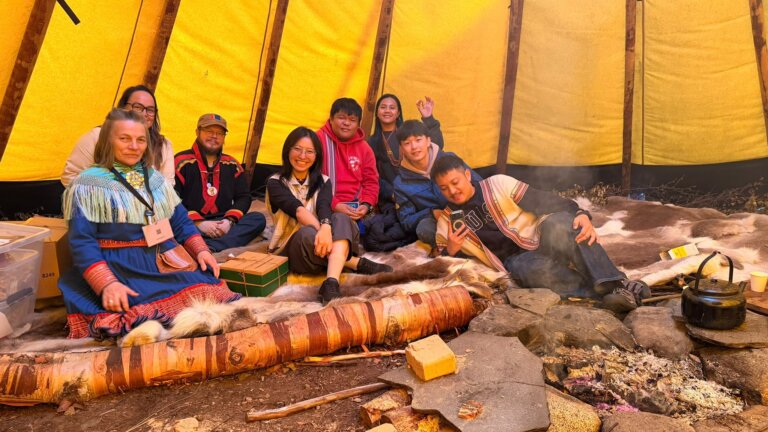
We also appreciated the welcoming Lavvu space at the conference, where Indigenous knowledge could be shared through duodji, and crafts: making and creating are meaningful ways of carrying knowledge, and connecting across Indigenous communities.
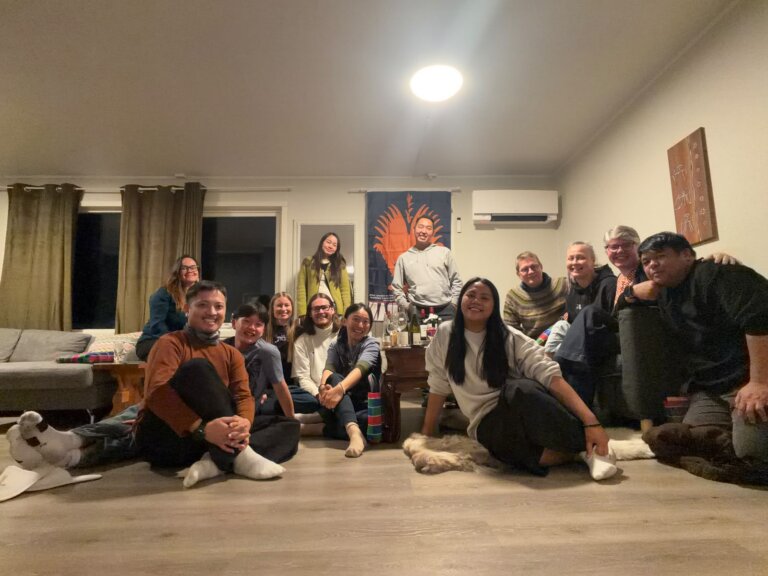
Within Čakča skuvla, our shared space became a place for being together, reflecting, talking, beading, drawing, creating, and exchanging thoughts and experiences. We brought parts of our lives and communities into the space through Greenlandic food, music, songs, stories, and the things that mattered to us. Knowledge was shared in many ways, through listening and conversation, through singing together, and sharing stories, through our hands as we are beading together, and through simply spending time together. As we shared these relaitonal moments, we continued to build connections across our different Indigenous contexts, learning with and from one another. And some of the most meaningful moments emerged through these exchanges: when we listened to one another, recognised experiences that resonated across our communities, encountered perspectives that challenged our assumptions, and discovered new questions to carry home. We did not need to arrive at the same answers. We made space for different experiences and understandings, allowing them to sit alongside one another and open up new ways of thinking.
For Birgejupmi, these shared moments are central to the work of nurturing Indigenous spaces. They remind us that learning from and with each other is about how we come together, how we relate to one another.
As we carry these conversations and experiences forward, we remain grateful for the knowledge shared, the generosity of those who participated, and the relationships that continue to grow across our Indigenous cultures and territories. These connections are part of what makes Čakča skuvla meaningful and part of what we will continue to nurture beyond our time together in Sápmi.