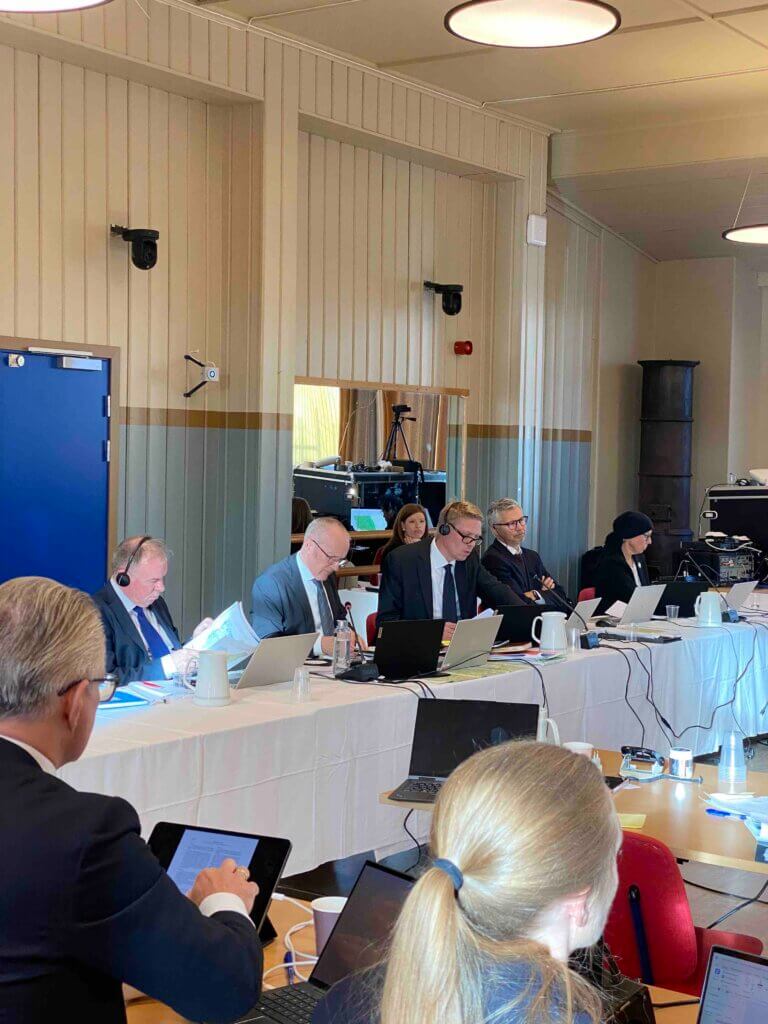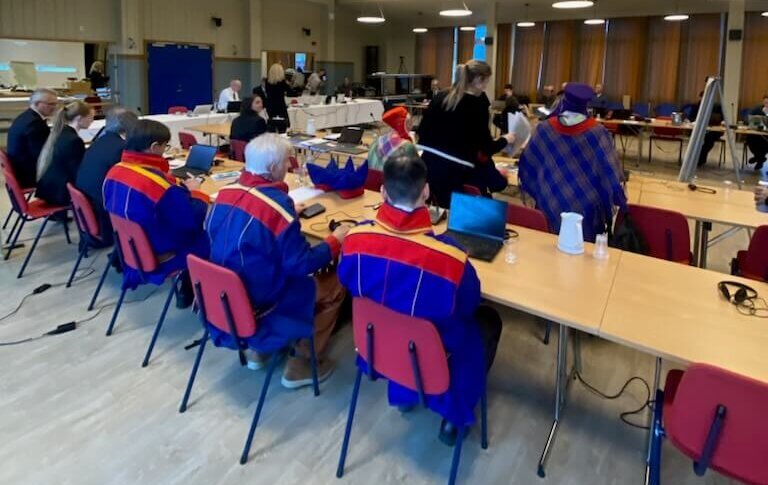
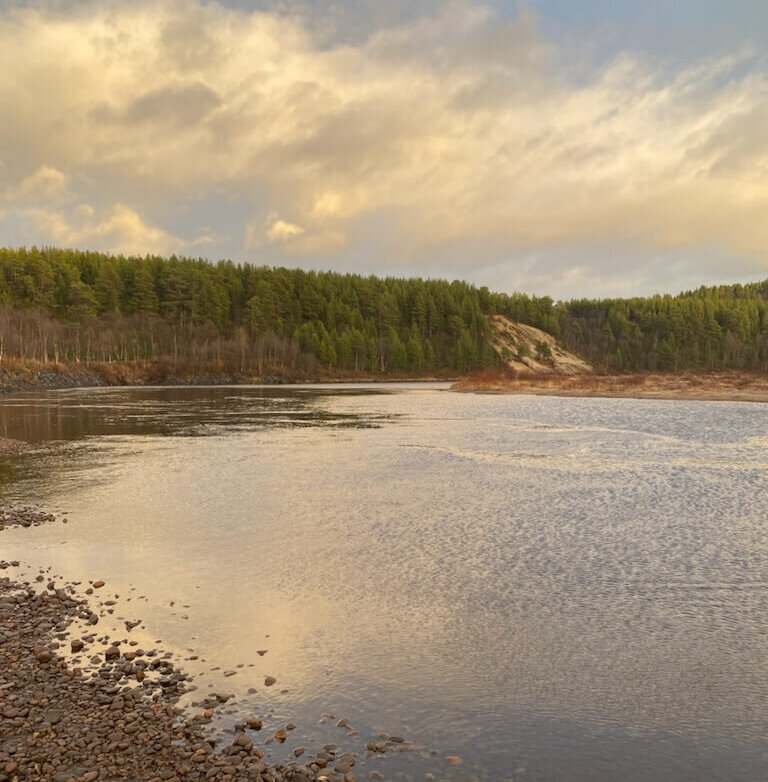
On 6 October 2026, the Karasjok court case began. Ida Hydle, BIRGEJUPMI Work Package 5 (WP5) member, has moved to Karasjok for the coming weeks to follow the proceedings closely. Through a series of blog posts, Ida will share observations and reflections on the case, its significance for Sámi land rights, and its wider relevance for Indigenous peoples and communities across the world.
The Karasjok court case opens a new chapter in the ongoing debate over Indigenous rights, land ownership, and collective stewardship. The case is of particular relevance to our BIRGEJUPMI project, as well as to Indigenous peoples and rights holders across the world who continue to defend their relationships with their ancestral lands and waters.
Remarkably, this was the fourth time the dispute had reached a court or tribunal, following two proceedings before the Finnmark Land Tribunal and one before the Norwegian Supreme Court. At the heart of the case is a dispute over approximately 5,000 square kilometres of land in Karasjok, where the Sámi population asserts collective ownership and stewardship rights, while the Norwegian state claims the same rights.
The case raises fundamental questions about how land rights are understood, recognised, and protected within different legal traditions. It also speaks directly to the concerns at the heart of Birgejupmi: the relationships, responsibilities, and reciprocal obligations connecting humans, non-humans, and the environments upon which all life depends.
Indigenous land rights in the era of the green transition
Across Sápmi and other Indigenous territories, traditional lands, rivers, and coastal areas are facing increasing pressure in the name of the green transition and economic development. Wind and hydropower projects, mineral extraction, and the fishing and salmon-farming industries are placing growing demands on lands and waters that have sustained Indigenous communities, livelihoods, knowledge systems, and ways of life for generations.
These developments raise critical questions about whose rights and interests are prioritised, whose knowledge is recognised, and who has the authority to determine the future of Indigenous territories. For Sámi communities, the issue extends beyond legal ownership in its narrow sense. It concerns the continuation of traditional practices of care and stewardship, as well as the maintenance of relationships and obligations between people, other living beings, and the natural surroundings on which communities depend.
These questions are central to our BIRGEJUPMI project, which explores the interconnected relationships between humans and non-humans and the responsibilities that arise from living within and caring for shared environments.
Different understandings of ownership and stewardship
During the opening proceedings, Caroline Lund, the principal advocate representing the Sámi population in Karasjok, presented the historical facts and legal arguments supporting Sámi claims to collective ownership and stewardship of the land. Her account traced these claims back to the sixteenth century and highlighted the historical foundations of Sámi relationships with the territory.
A particularly important aspect of her presentation was the distinction between Sámi understandings of collective ownership and stewardship and the concepts expressed through modern Norwegian legal terminology. These differences reflect broader questions about how land, authority, responsibility, and the relationships between people and their environments are understood.
Recognising these differences is essential when considering Indigenous land rights. Legal frameworks that rely on established state-centred concepts of property and ownership may not fully capture Indigenous systems of collective responsibility, territorial relationships, and stewardship. The Karasjok case therefore offers an important opportunity to examine how different legal traditions meet, and sometimes conflict, in disputes over Indigenous lands and waters.
Shared struggles across the Indigenous world
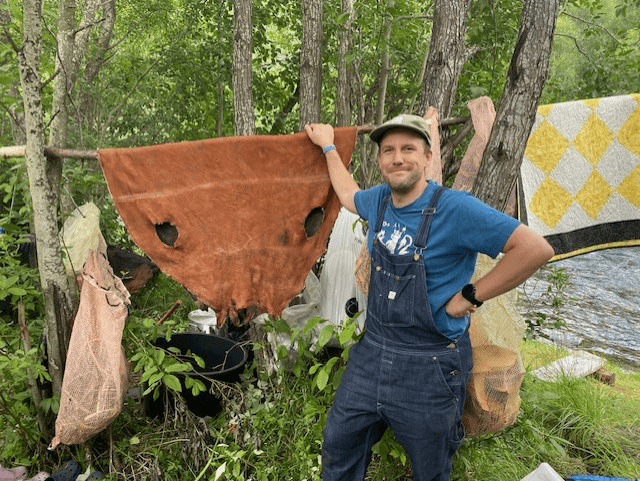
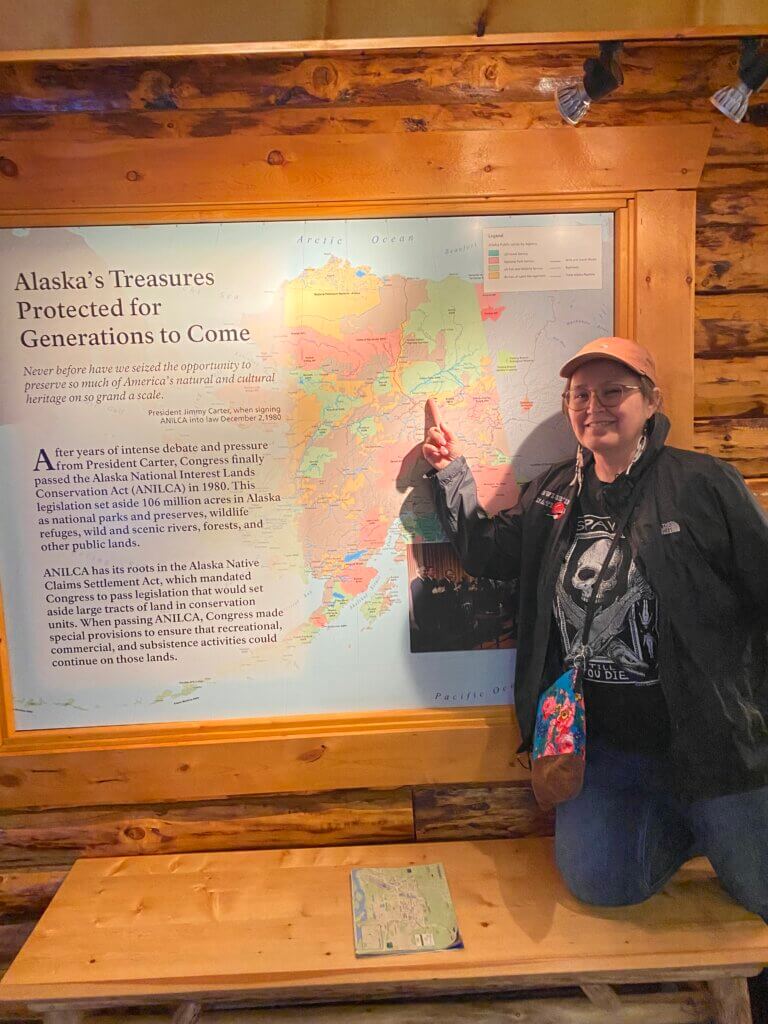
Listening to the arguments in Karasjok brought back memories of WP2 members’ discussions during the BIRGEJUPMI project’s North-to-North Dialogue Journeys through Indigenous communities in Canada and Alaska. Across these different territories, Ida, Stephan, Jan Erik and Thora we encountered similar struggles over land, resources, self-determination, and the recognition of Indigenous rights.
Although the legal systems and historical circumstances differ, many of these disputes share a common foundation: Indigenous peoples are seeking recognition of their longstanding relationships with their territories, while state institutions and commercial interests advance competing claims to ownership, authority, and resource use.
Such conflicts carry enormous human, cultural, ecological, and economic costs. They also reveal the limitations of approaches to development that treat land and water primarily as resources to be exploited, rather than as living environments embedded in relationships of care, reciprocity, and responsibility.
The Karasjok court case is therefore significant far beyond the borders of Sápmi. It highlights questions that resonate across the Indigenous world and that are increasingly urgent in the context of climate change, biodiversity loss, and the global push for a green transition.
For BIRGEJUPMI, following the case provides an important opportunity to reflect on how Indigenous knowledge, legal traditions, and practices of stewardship can contribute to broader discussions about justice, sustainability, and the responsibilities humans have towards the lands and waters they inhabit.