During our recent travels through Alaska and British Columbia, we spent some time in museums. From the Alaska Native Heritage Center in Anchorage to the Museum of Anthropology in Vancouver, each visit offered a different perspective on Indigenous histories, cultures, and contemporary life. What stayed with us most was not the collections themselves, but a simple question: whose voice is telling the story? Across all the museums we visited, one trend was impossible to miss. Museums are becoming more aware that they are not only places for preserving Indigenous heritage but also places that matter to Indigenous communities today. Co-creation, and Indigenous voices are increasingly shaping exhibitions and educational programmes. Young Indigenous guides, artists, community interpreters, workshops, films, and spaces for cultural practice all showed that museums can be much more than exhibition halls. Yet the ways museums approach this differ remarkably.
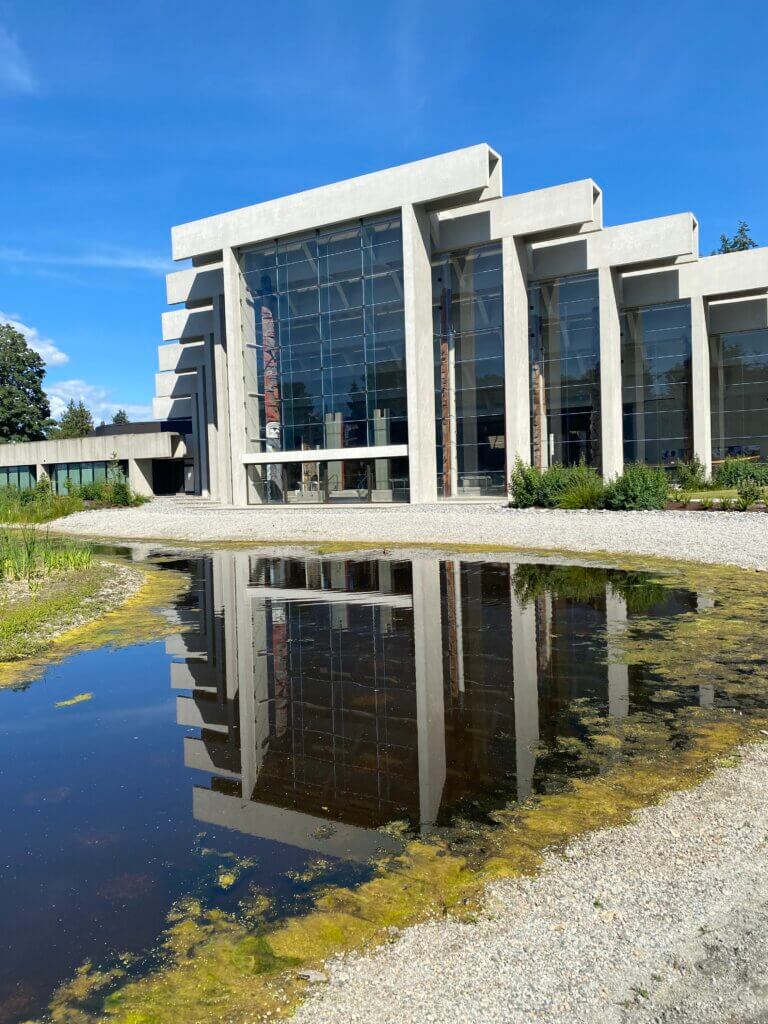
At the Alaska Native Heritage Center, visitors are welcomed by a collective Indigenous “we.” Young people explain their own traditions, artists create and sell their work, and dance, games, and subsistence practices are presented as living culture rather than relics of the past. Difficult histories, such as the legacy of boarding schools, are conveyed through personal testimonies and Indigenous art, with visitors invited first to listen. Other museums take different approaches. The Museum of the North in Fairbanks brings together Indigenous histories, natural sciences, geology, and settler history within a broad, interconnected narrative. The Morris Thompson Cultural and Visitors Center in Fairbanks, which also houses the headquarters of Denakkanaaga, an Alaska Native Elders’ organization, presents stories of Indigenous Elders alongside narratives of nature conservation, tourism, and oil development, allowing different perspectives to coexist without forcing them into a single interpretation. The Museum of Anthropology in Vancouver impressed us with its remarkable collections, but even more with a short guided tour led by a young Indigenous Interpreter. She connected museum objects to her own family and community, transforming them from historical artifacts into expressions of living relationships.
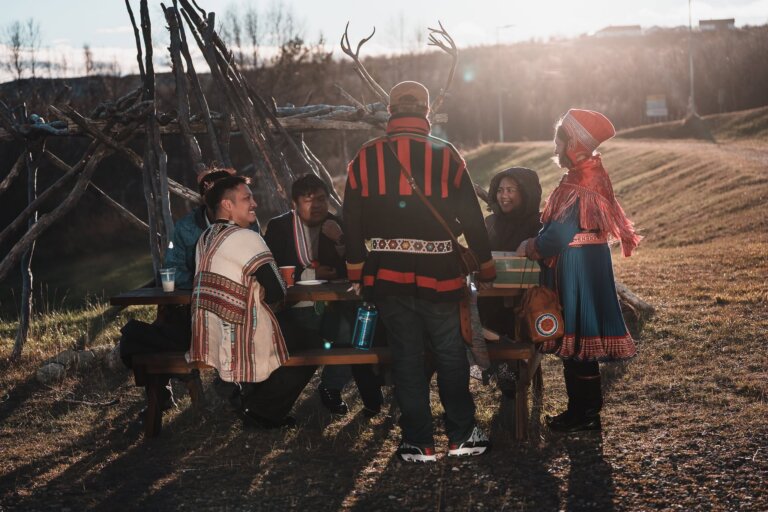
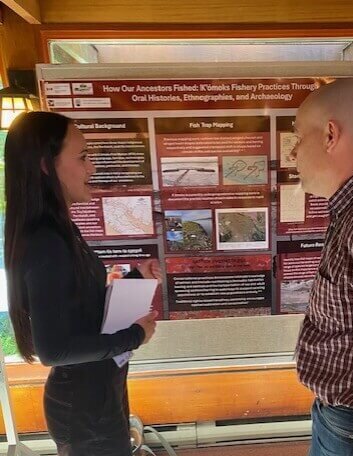
Looking back, we came away with the impression that museums are in the midst of a profound transformation. While they still differ greatly in how far they have come, the direction seems clear: Indigenous people are increasingly shaping how their own histories, cultures, and futures are presented. Rather than speaking about Indigenous communities, museums are learning to tell stories with them—and, increasingly, by them. What struck us was the diversity of these voices. They are not represented by a single spokesperson or perspective, but by Elders, artists, young guides, community leaders and knowledge holders. Sometimes they speak collectively, sometimes through deeply personal stories. Together, they challenge the idea that there is one Indigenous voice to be represented. At the same time, we realised that the most important role of these museums may not be what they communicate to visitors from outside. Increasingly, they are becoming places that serve Indigenous communities themselves: places to teach, create, perform, work, meet, and strengthen cultural continuity. In the most inspiring examples we visited, outsiders are no longer the primary audience. They are welcomed as guests into spaces that are first and foremost shaped for and by Indigenous communities. That may be the most significant change of all.